

Our Verdict
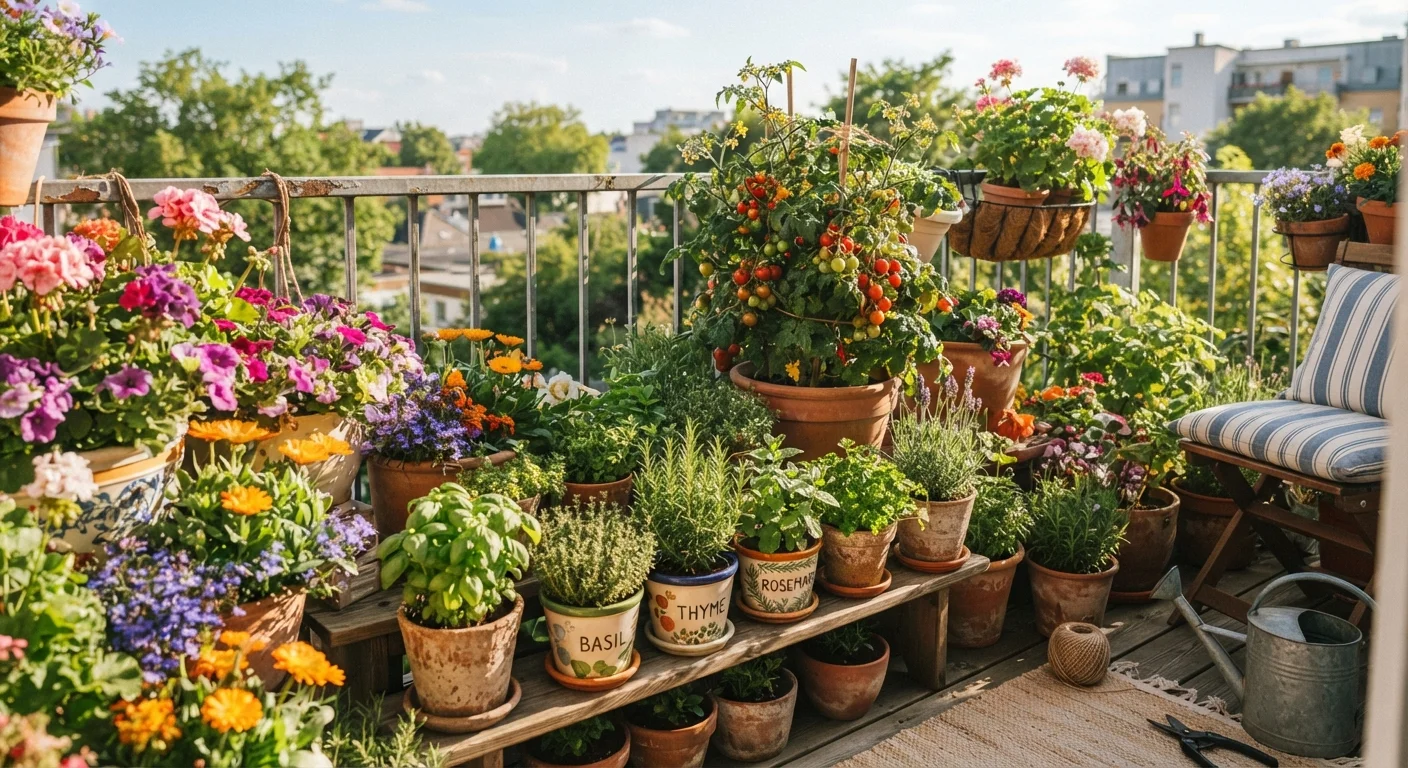
Container gardening is a genuinely practical way to grow plants when space, soil, or mobility is a constraint - but it demands more consistent attention than in-ground gardening. The flexibility is real, and so is the upkeep. Most beginners who go in with honest expectations find it rewarding.
Renters, apartment dwellers, homeowners with poor native soil, or anyone who wants a low-commitment starting point before committing to a full garden bed.
Why Containers Appeal to Beginners
If you've ever wanted to grow something but didn't know where to start, a pot on the porch is one of the most forgiving entry points in gardening. You don't need to dig up your yard, amend clay soil, or rent a tiller. You choose the container, fill it with a known growing mix, and plant. That control is genuinely useful - especially if your native soil is compacted, contaminated, or just not worth fighting.
Containers also let you garden in places that otherwise wouldn't work: a concrete patio, a balcony, a rooftop, or a rental where you can't touch the ground. For urban and suburban gardeners, this opens up growing space that simply wouldn't exist otherwise.
Finally, containers are easy to walk away from if life gets busy. A single pot of basil is a much smaller commitment than a full vegetable bed. For first-timers who aren't sure how much time they'll actually put in, starting small in pots is a sensible move. You can always compare this approach with raised beds or in-ground planting once you've got a season under your belt.
Works anywhere - no ground access needed
Containers let you garden on patios, balconies, and driveways where in-ground planting isn't an option. This makes gardening accessible to renters and urban residents.
Full control over your growing medium
You choose the soil mix, which sidesteps problems like clay, compacted earth, or contaminated ground. This can give plants a better start than difficult native soil would allow.
Easy to move and rearrange as needed
Unlike a fixed bed, containers can follow the sun, be brought indoors before frost, or rearranged when your space or priorities change.
Low upfront commitment for beginners
A few pots and a bag of potting mix is all it takes to get started. There's no major digging, no infrastructure to build, and nothing permanent to commit to.
Fewer soil-borne weeds and pests
Starting with a clean potting mix means fewer weed seeds and some soil-borne pathogens never get introduced. Pest pressure can still occur but is often easier to spot and manage.
The Real Downsides Worth Knowing Before You Start
Containers come with genuine trade-offs that catch a lot of beginners off guard. The biggest one is watering. Pots - especially terracotta and smaller sizes - dry out fast. In midsummer, some containers may need water every day or even twice a day. Miss a few days in a heat wave and plants can suffer irreversible stress. This is very different from an in-ground bed, where deeper soil holds moisture much longer. Our guide on watering habits that quietly kill healthy plants covers the specific mistakes to avoid.
Root space is the other hard limit. Even a large container restricts how deep and wide roots can grow. This affects certain crops more than others - tomatoes, squash, and other heavy producers may yield less in pots than in open ground. Shallow-rooted plants like lettuce, herbs, and radishes do considerably better.
Winter survival is also trickier. Pots freeze through much more quickly than ground soil, which means plants that would survive in the ground can die in a container. Perennials grown in pots often need to be moved into a garage or shed, or heavily mulched, to make it through a cold winter.
Dries out quickly - demands consistent watering
Pots lose moisture far faster than garden beds, particularly in warm weather and wind. In peak summer, some containers need water daily, which is a meaningful time commitment.
Limited root space restricts plant potential
Roots can only go as deep as the container allows, which can stunt growth and reduce yields in larger or deeper-rooted crops. Choosing compact varieties helps but doesn't fully eliminate this constraint.
Nutrients leach out with regular watering
Every time you water, some nutrients flush out through the drainage holes. Container plants generally need more frequent fertilizing than those grown in open ground.
Poor freeze protection compared to in-ground soil
Container soil freezes through completely in cold climates, often killing plants that would have survived in the ground. Overwintering perennials in pots requires planning and protected storage.
Ongoing cost of potting mix and containers
Quality potting mix degrades over time and ideally should be refreshed each season. Combined with container costs, this makes the long-term expense higher than it first appears.
Choosing the Right Plants for Pots
Not every plant is a good candidate for container life. The ones that tend to thrive are compact by nature or have relatively shallow root systems. Herbs - basil, parsley, chives, thyme - are reliable container performers. Lettuce, spinach, and other salad greens work well in wide, shallow planters. Dwarf or patio varieties of tomatoes, peppers, and cucumbers have been bred specifically for limited root space and tend to outperform their full-sized counterparts in pots.
Avoid planting deeply rooted or sprawling crops - things like sweet corn, full-sized pumpkins, or large root vegetables - in containers unless you have very large vessels and the watering discipline to match. If you're after low-effort choices, see our list of low-maintenance plants for busy gardeners.
Drainage Is Non-Negotiable
Every container you use should have at least one drainage hole in the bottom. Without it, water pools at the roots and causes rot - one of the most common ways container plants die. If you fall in love with a pot that has no hole, use it as a decorative sleeve around a drilled inner pot. Don't skip this step.
Soil quality matters more in a container than in the ground. Standard garden soil compacts quickly in pots and can suffocate roots. Use a quality potting mix - it's formulated to stay loose and drain well. Refreshing the mix each season helps maintain structure and nutrients.
Making Container Gardening Easier Over Time
The main friction in container gardening - consistent watering - can be reduced with a little planning. Grouping pots together slows moisture loss and makes watering faster. Self-watering containers with built-in reservoirs are genuinely helpful for anyone who travels or has a variable schedule. A basic drip irrigation system can be set up for container groupings and takes most of the daily effort out of the equation.
Fertilizing is also more important in containers than in the ground. Nutrients leach out every time you water, so container plants need regular feeding through the growing season. A slow-release granular fertilizer at planting, topped up with a diluted liquid feed every few weeks, is a practical rhythm for most edible containers.
If you start enjoying this and want to expand, container gardening pairs well with a small compost setup. See starting a compost pile in a small backyard for a simple approach that works even in tight spaces. You can also think ahead about annual versus perennial plants to decide what to replant each year and what to overwinter.
80%+
Of edible crops that can be container-grown
University cooperative extension programs commonly note that the vast majority of vegetables and herbs can be grown in containers, with variety selection being the key variable.
2-3×
Faster moisture loss vs. in-ground beds
Horticultural guidance consistently notes that container soil can dry out several times faster than open garden soil, especially in terracotta pots on warm days.
The content on this site is for informational purposes only and is not a substitute for professional advice. Always consult a qualified professional for guidance specific to your situation.