

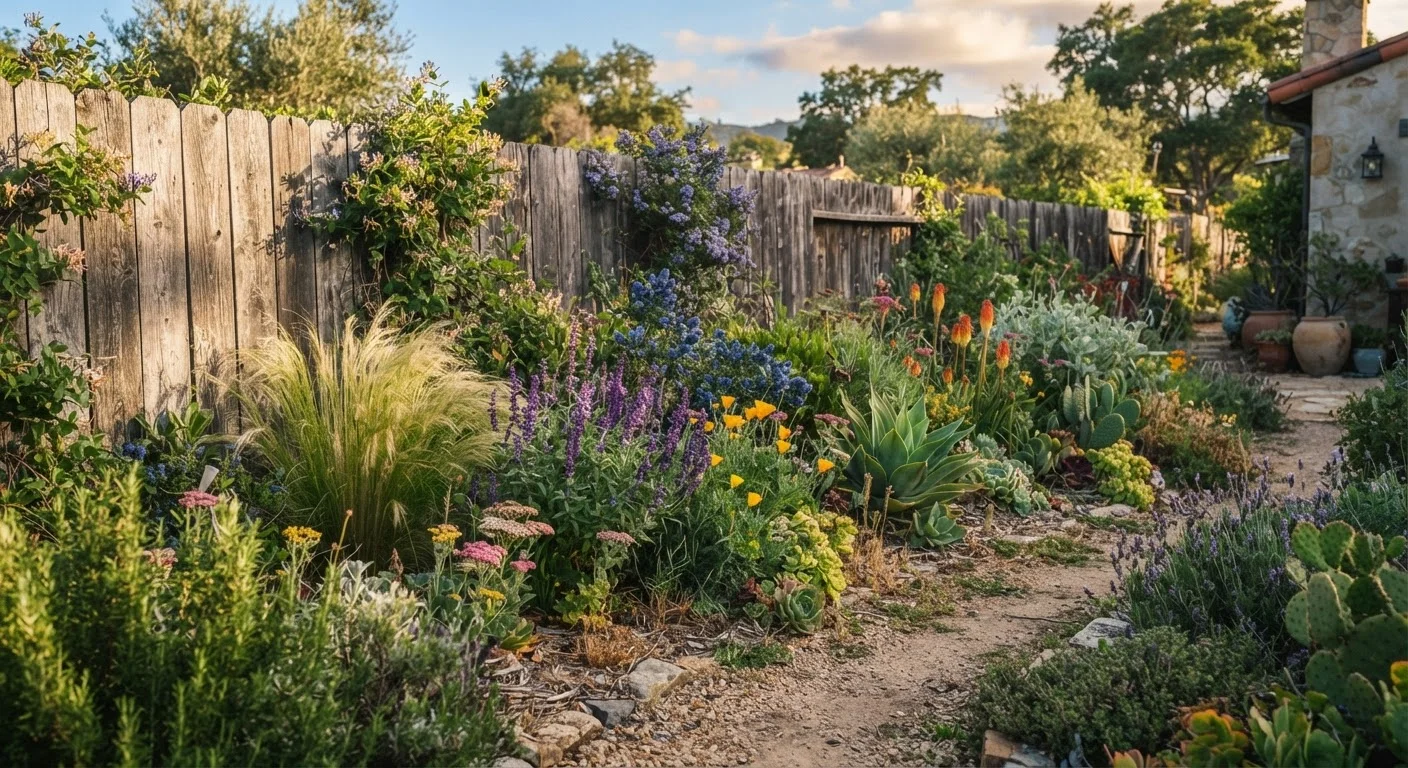
When Your Garden Has to Fend for Itself
Not everyone has a weekend free for weeding or time to water every other day. Life gets in the way, and for a lot of homeowners, the garden is the first thing that gets deprioritized. The good news is that with the right plant choices, a yard can look reasonably healthy even with a hands-off approach - as long as you set things up thoughtfully at the start.
The most important investment you can make isn't in tools or fertilizer - it's in plant selection. Choosing plants that are naturally suited to your climate, soil type, and sun exposure dramatically reduces how much intervention they need. That's especially true if you match plants to your yard's actual light conditions rather than guessing.
The list below covers plant types that tend to handle neglect well - with honest notes on what each one still needs. None of these are truly zero-effort, but they're forgiving in ways that suit a busy or irregular schedule.
Native perennial wildflowers
Plants native to your region have evolved alongside your local climate, rainfall patterns, and soil - which means they've effectively been bred for benign neglect. Once established, many native perennials like black-eyed Susans, coneflowers (Echinacea), and wild bergamot need little supplemental watering and no special fertilizing.
What they still need: A good start. Native plants take one full growing season to develop root systems deep enough to handle dry spells. Water regularly during that first year, then largely step back. They also benefit from being cut back in late fall or early spring.
Native plants evolved for your climate - once established, they largely manage themselves.
Ornamental grasses
Ornamental grasses are among the most adaptable plants you can put in a yard. Most varieties tolerate drought, poor soil, heat, and wind without complaint. They provide year-round interest - green and feathery in summer, golden and structural through winter - and rarely need dividing more than once every few years.
What they still need: An annual cutback in late winter before new growth appears. This keeps them from looking matted and dead in the center. Beyond that, most established ornamental grasses need almost no attention. Check that the variety you choose is non-invasive in your region - some species spread aggressively.
Most ornamental grasses need only one annual cutback and little else once they're settled in.
Sedums and other succulent groundcovers
Sedums (sometimes called stonecrops) are fleshy-leafed plants that store water in their tissues, making them exceptionally drought tolerant. Low-growing varieties work well as groundcovers, filling gaps between stepping stones or covering sunny slopes where grass struggles. They spread gradually without becoming aggressive problems in most climates.
What they still need: Well-drained soil is non-negotiable. Sedums rot quickly in wet, clay-heavy ground. If your yard holds water after rain, amend the soil or choose a raised area before planting. They also need full sun - shade causes them to stretch and flop.
Sedums handle drought well, but poor drainage is the one condition that reliably kills them.
Shrubs with a long track record of toughness
Certain shrubs have earned their low-maintenance reputation simply by surviving in yards across the country with minimal attention. Varieties like spirea, viburnum, and native shrubs such as beautyberry and buttonbush adapt to a wide range of soils and light conditions. Shrubs also provide structure, making the yard look intentional even when it hasn't been touched in weeks.
What they still need: Appropriate placement - they're not easy to move once established. Research mature size before planting so you don't end up cutting back a 10-foot shrub to fit a 4-foot space. Occasional light pruning after flowering keeps most varieties tidy without being a burden.
Shrubs deliver year-round structure with only occasional pruning - a long-term payoff for upfront research.
Creeping groundcovers for weed suppression
Groundcovers like creeping phlox, ajuga (bugleweed), and pachysandra serve a dual purpose: they look attractive and crowd out weeds by filling bare soil. Once established, a thick mat of groundcover can significantly reduce the weeding workload across problem areas - under trees, along borders, or on slopes where grass is impractical.
What they still need: Time. Most groundcovers take two to three seasons to fill in densely enough to suppress weeds effectively. In the meantime, mulch between plants to handle the gap. Some varieties - particularly English ivy - can spread beyond your yard, so choose species that are considered well-behaved in your area.
Groundcovers earn their keep over time by eliminating the bare soil that weeds love to colonize.
Hardy ferns for shaded, low-traffic areas
Ferns are often overlooked, but for shaded spots - under a tree canopy, along a north-facing wall - they're genuinely hard to kill once established. Native ferns like the ostrich fern or Christmas fern fill difficult spots elegantly, require no fertilizer, and return each spring without intervention.
What they still need: Consistent moisture while getting established, and they dislike prolonged drought. If your shaded area dries out in summer, plan to water occasionally during dry stretches. They're not suitable for sunny, dry spots - shade and reasonable moisture are the baseline conditions they genuinely require.
Hardy ferns thrive in shaded spots where most plants struggle, returning reliably each spring.
A Few Things That Make Any Plant More Resilient
Whichever plants you choose, a few basic habits at planting time make a real difference later. A 2-3 inch layer of mulch around the base of plants slows moisture loss, suppresses weeds, and moderates soil temperature - effectively reducing how often you need to intervene. It's a one-time effort with ongoing returns.
Start with a mulching layer before you plant
Spreading 2-3 inches of organic mulch - shredded bark, wood chips, or straw - across your planting area before adding plants sets you up for less work immediately. It slows moisture evaporation, keeps weeds from germinating, and breaks down over time to improve soil quality. Replenishing it once a year is generally enough to maintain the benefit.
If you're open to a slightly more structured setup, a basic drip irrigation system can cover watering during dry stretches without requiring you to be home. And if you're thinking about where to plant - directly in the ground or in raised beds - the trade-offs between raised beds and in-ground planting are worth understanding before you commit. For more on how perennials and annuals differ in terms of long-term effort, that context will help you build a garden that requires less replanting over time.
The content on this site is for informational purposes only and is not a substitute for professional advice. Always consult a qualified professional for guidance specific to your situation.