

Why Watering Goes Wrong More Often Than You'd Think
Most gardeners who lose plants to watering problems don't realize it's happening. The symptoms of too much water and too little water look almost identical - wilting, yellowing leaves, stunted growth - so it's easy to diagnose the problem backwards and make things worse. Good intentions, a fixed schedule, and a watering can are genuinely not enough on their own.
The habits below are the most common reasons otherwise healthy plants decline. None of them require expensive tools or expertise to fix - just a small shift in how you approach the task.
Watering on a fixed daily schedule regardless of actual soil conditions.
Why it happens: A routine feels responsible, and it's easy to assume plants need water every day the way they need sunlight. Most care guides suggest 'regular watering' without specifying how to read the soil.
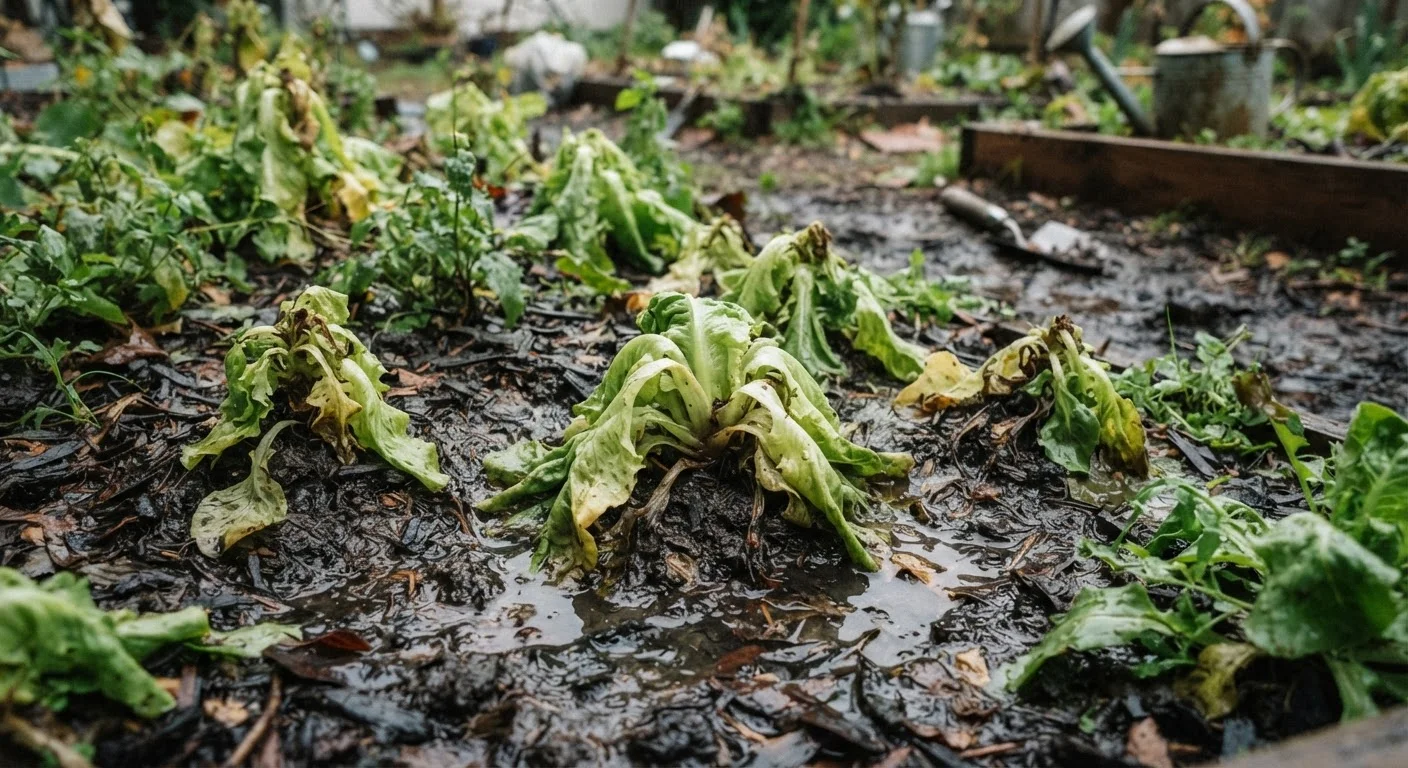
Overwatering, which suffocates roots by filling soil pores with water instead of oxygen.
Why it happens: Wilting plants trigger concern, and the instinct is to add more water. But roots sitting in saturated soil begin to rot, which also causes wilting - creating a feedback loop where the 'fix' accelerates the problem.
Shallow, frequent watering that keeps moisture only in the top inch of soil.
Why it happens: A quick daily sprinkle feels like enough, especially when the surface looks damp. Most people water until they think the plant looks satisfied, not until the root zone is genuinely reached.
Watering leaves and foliage rather than directing water to the soil at the base of the plant.
Why it happens: Overhead watering with a hose or sprinkler is fast and easy. Many garden sprinkler systems are also set up this way by default.
Watering at midday when evaporation rates are highest and leaves can scorch.
Why it happens: People water when they think of it, and midday is a common break in the day. It doesn't feel like it should make a difference.
Using the same watering approach for all plants regardless of their individual needs.
Why it happens: It's simpler to treat the whole garden the same way, and most beginners aren't sure which plants prefer dry conditions versus consistently moist soil.
Building a Watering Routine That Actually Works
Once you drop the fixed-schedule approach, the goal is to water based on what the plant and soil actually need. Dig two inches into the soil near the base of the plant before reaching for the hose. If it's still damp, wait. If it's dry, water deeply - slowly enough that water soaks in rather than runs off the surface.
Morning is generally the most effective time to water. Leaves that stay wet overnight become a breeding ground for fungal problems, and midday watering in direct sun loses a significant amount of moisture to evaporation before it reaches roots. Watering at the base of plants rather than overhead also makes a real difference over a season.
If you're gardening in containers, keep in mind that pots dry out much faster than in-ground beds and may need water every day in summer heat. Our guide to container gardening trade-offs covers this and other pot-specific challenges in detail.
For those managing larger garden areas, a drip system can take the guesswork out of frequency and coverage. Setting up a basic drip irrigation system has a real learning curve, but the payoff in water efficiency and plant health is worth understanding before you commit.
If you're rethinking your whole garden layout, it's also worth knowing that raised beds and in-ground planting drain very differently - something that directly shapes how often you'll need to water. See raised beds vs. ground planting for a full comparison. And if consistent watering feels like too much of a commitment right now, low-maintenance plants may be a better starting point for your yard.
The content on this site is for informational purposes only and is not a substitute for professional advice. Always consult a qualified professional for guidance specific to your situation.