

Our Verdict
Carry-on-only travel is a genuinely practical approach for a wide range of trips, particularly shorter journeys, warm-weather destinations, and travelers who prioritize speed and flexibility. It demands real discipline in what you pack and honest self-assessment about your itinerary. For cold climates, multi-week trips, or travel that includes formal occasions, the constraints may create more stress than they save.
Best for travelers taking trips of one to two weeks to warm or temperate destinations, especially those flying budget carriers or taking multiple connecting flights where checked bag fees add up quickly.
What the One-Bag Philosophy Actually Means
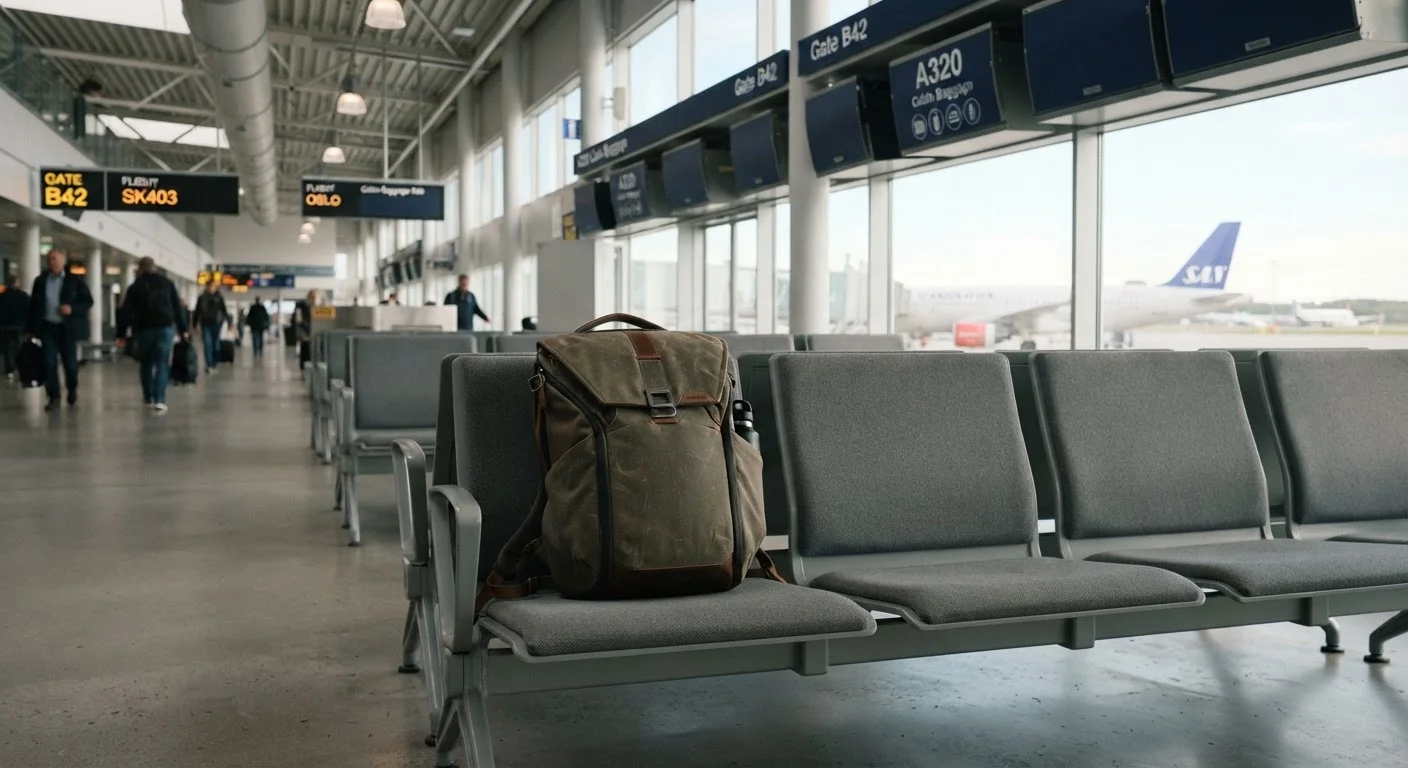
The one-bag approach is straightforward: you board every flight with a single carry-on - no checked luggage, no personal item tacked on, just one bag that fits in the overhead bin or under the seat. The idea isn't just about traveling light; it's about removing an entire category of travel friction. No checked baggage fees, no waiting at carousels, no risk of delayed or lost luggage.
It's worth separating the philosophy from the mythology. This isn't about extreme minimalism or roughing it. Many carry-on-only travelers pack efficiently enough to handle 10- to 14-day trips comfortably. The key variable is how you pack, not just how little. For a grounded primer on habits that apply regardless of your bag size, see core packing principles.
The Real Advantages
For many travelers, the benefits are immediate and tangible.
No checked baggage fees on any airline
Budget carriers in particular charge significant fees for checked bags, sometimes exceeding the base fare on short routes. Carry-on-only eliminates that cost entirely.
Skip baggage claim entirely
Walking directly off the plane and out of the airport saves 20-45 minutes on most domestic flights and longer on international arrivals with high traffic.
Zero risk of lost or delayed luggage
Airlines mishandle millions of bags annually. Keeping everything with you removes that variable completely, which matters most on tight itineraries or trips without buffer days.
Greater mobility throughout the trip
A single manageable bag means easier navigation on public transit, faster hotel check-in transitions, and the flexibility to store your bag at a location and explore unburdened.
Simpler logistics for multi-stop itineraries
When you're moving between cities every two or three days, not wrestling with a large suitcase reduces cumulative stress noticeably.
Beyond the practical perks, there's a psychological dimension worth acknowledging. Carrying everything you need without assistance forces a kind of clarity about what actually matters on a trip. Many frequent travelers report that the constraints reduce pre-trip decision fatigue significantly.
Cost savings are also real. On budget carriers operating transatlantic or intra-Europe routes, checked baggage fees can run $35-$75 per bag, per direction. On a round trip with two passengers, that's potentially $280 in avoidable fees. See practical ways to stretch your travel dollars for context on where bag fees fit into overall trip costs.
20-45 min
Typical baggage claim wait time saved
Average domestic baggage claim wait times vary by airport, but most travelers report waits in this range on standard flights.
$35-$75
Typical checked bag fee per direction
Fees vary significantly by carrier and route; budget and ultra-low-cost carriers tend toward the higher end of this range.
The Genuine Drawbacks
One-bag travel is not the right call for every situation. Understanding where it breaks down matters as much as appreciating where it shines.
Volume limits rule out bulky cold-weather gear
A single carry-on rarely accommodates a heavy winter coat, insulated boots, and multiple warm layers simultaneously. Cold-weather trips almost always require either checked luggage or purchasing gear at the destination.
Liquids and toiletries are tightly restricted
TSA's 3-1-1 rule limits liquids to 3.4 oz containers in a single quart-sized bag. Travelers who rely on specific skincare, hair products, or medical liquids may find this genuinely limiting rather than merely inconvenient.
Longer trips demand more laundry planning
Trips beyond two weeks require either mid-trip laundry stops or very disciplined packing around quick-dry fabrics. This adds a logistical layer that not every itinerary accommodates easily.
Airline size rules vary and aren't always enforced uniformly
Regional and budget carriers sometimes have smaller overhead bins or enforce weight limits more strictly than mainline carriers. A bag that sails through on one airline may be gate-checked on the next.
Limited flexibility for trip type changes
If your trip unexpectedly involves a formal event, a beach day, or a hike, a tightly packed carry-on leaves little room for gear you didn't plan for.
Airline carry-on policies also vary more than many travelers expect. A bag that fits on one airline's domestic routes may be gate-checked on a regional carrier with smaller overhead bins. Always verify size and weight limits for every carrier on your itinerary - not just your primary airline. This is one area where comparing checked luggage against carry-on becomes a genuinely practical exercise rather than a theoretical one.
When Carry-On-Only Makes Sense - and When It Doesn't
The one-bag approach tends to work well for: warm or temperate-weather destinations, trips of one to 14 days, itineraries with multiple short flights, and travel styles that emphasize mobility over comfort-at-the-destination. Business travel with a predictable wardrobe also suits this format well.
It tends to break down for: winter travel requiring bulky outerwear, family trips where shared gear (stroller parts, car seat accessories, medical supplies) demands checked space, adventure trips with specialized equipment, and any trip where the destination requires formal attire for multiple occasions.
Size and Weight Limits Vary by Carrier
There is no universal carry-on size standard. In the US, most major carriers allow bags up to roughly 22 x 14 x 9 inches, but international and regional carriers often set smaller limits. Weight limits - common on European and Asian carriers - can be as low as 15-17 lbs for cabin bags. Always check the specific baggage policy for each airline on your itinerary before you pack. Policies can also differ between economy fare classes on the same airline.
Before committing, it helps to honestly audit what you packed on your last trip and what you actually used. Most travelers find a meaningful gap between the two. For a direct look at how conventional packing wisdom can lead you astray, packing myths that waste luggage space is worth reading before you start making your list.
If fitting a full week's travel into a small footprint is your goal, packing a week into a weekend bag covers the specific strategies - fabric choices, capsule wardrobes, and realistic volume math - that make it achievable.
The content on this site is for informational purposes only and is not a substitute for professional advice. Always consult a qualified professional for guidance specific to your situation.