

What a Travel Fund Actually Is
A travel fund is one of the simplest, most effective financial tools a traveler can use — yet many people skip it entirely and end up paying for trips on credit cards or dipping into money meant for other things.
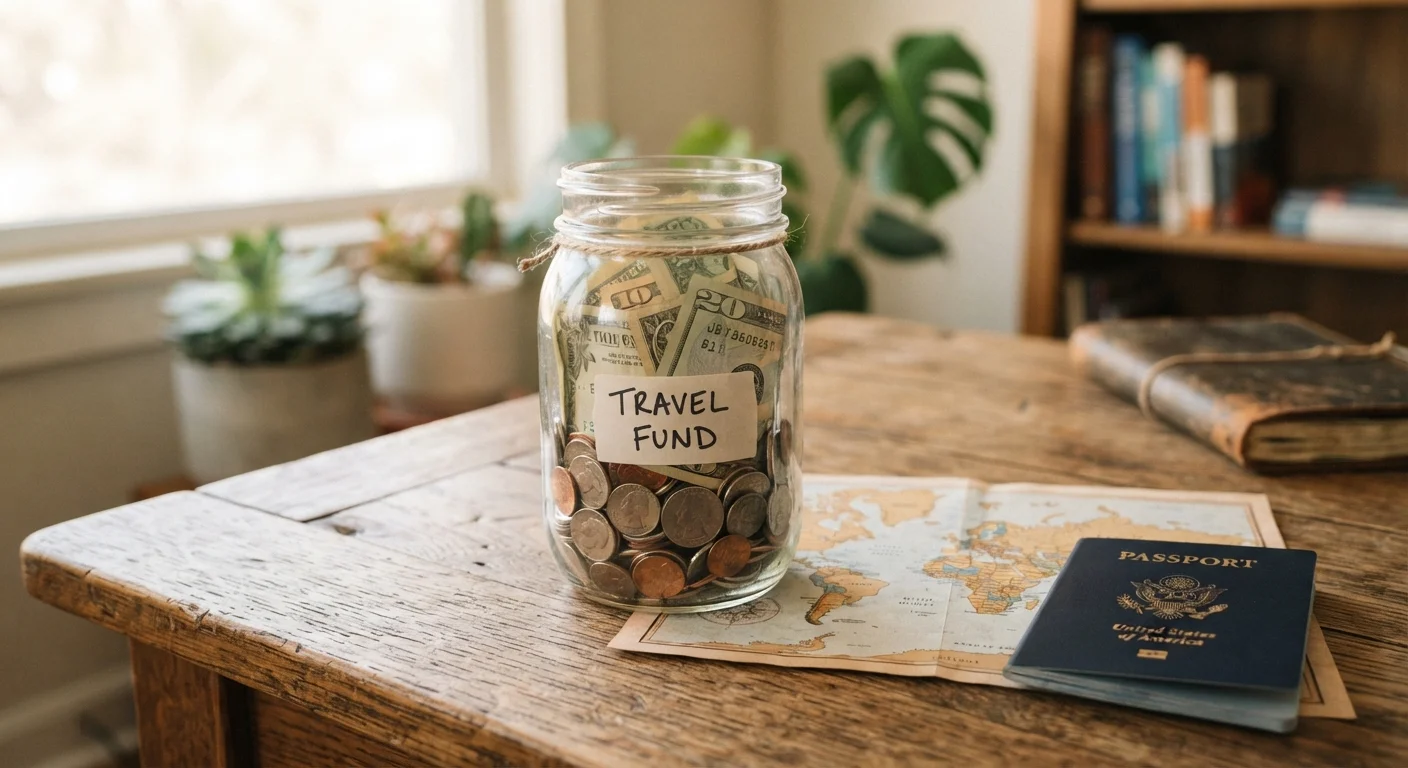
At its core, a travel fund is money earmarked exclusively for travel. It lives apart from your emergency savings (which cover unexpected crises) and your regular checking account (which covers daily life). Its only job is to grow until you need it for a trip.
This separation matters more than it might seem. When travel money is mixed in with everything else, it tends to get spent on everything else. A standalone fund gives your travel goals a clear dollar amount and a dedicated home.
It's worth understanding how this differs from other savings goals. For a deeper look at the distinction between emergency reserves and general savings, see how emergency funds and savings accounts differ.
$3,251
Average American's annual leisure travel spending
According to the U.S. Travel Association's research on domestic travel expenditures by leisure travelers.
42%
Americans who say they don't save specifically for travel
Cited in recurring consumer finance surveys tracking how U.S. adults manage discretionary spending categories.
$25/week
Weekly savings that add up to $1,300 in a year
A straightforward illustration of how small, consistent contributions compound into meaningful travel savings over 12 months.
How Americans Typically Build Travel Funds
There's no single right method — what works depends on your income, budget, and how far out your trip is. But most effective approaches share a few common habits.
Set a specific savings target first
Vague goals like "save more for travel" rarely lead anywhere. Instead, estimate the total cost of a particular trip. Factor in flights, lodging, meals, transportation at the destination, activities, and a small buffer for surprises. That total becomes your fund's finish line.
For a detailed breakdown of where travel money actually goes, this guide covers the real expense categories to plan for.
Automate contributions
Setting up an automatic transfer — even $25 or $50 per paycheck — removes the friction of deciding whether to save each cycle. Consistent small amounts outperform occasional large ones in the long run.
Treat it like a sinking fund
A sinking fund is a savings method where you set money aside regularly for a planned future expense. Travel fits this model perfectly. The pay-yourself-first and sinking fund approaches are two strategies worth knowing before you start.
Name Your Fund After the Trip
Many banks allow you to label savings accounts with a custom nickname. Naming your account something specific — like 'Pacific Coast Road Trip' — adds psychological motivation and makes it easier to avoid dipping into it for other purposes. Small behavioral cues make a meaningful difference in savings consistency.
Common Mistakes That Drain a Travel Fund Early
Building a fund is only half the challenge. Protecting it from pre-trip spending is equally important — and often overlooked.
Many travelers unknowingly spend a significant portion of their travel budget before they ever leave home. Impulse gear purchases, over-booking in advance, and failing to account for airport costs are some of the most common culprits. See which pre-trip decisions quietly drain your travel fund before your trip even starts.
Another common error: not separating travel savings from emergency savings. Borrowing from an emergency fund for a vacation is a financial risk — if an actual emergency hits while you're traveling or shortly after, you may have no safety net. Keeping both funds distinct and intact protects you on both fronts.
Finally, many first-timers underestimate the total cost of a trip and set an insufficient target. Budget travel doesn't mean cheap travel — it means intentional travel. If you're planning your first trip on a limited budget, this ground-up planning guide walks through every stage from destination to departure.
Making Your Travel Fund Work Harder
Once you have a fund started, a few additional habits can stretch it further without requiring a bigger income.
Travel slower. Staying in one place longer often reduces daily costs significantly — fewer transit fees, fewer check-in nights, and more time to find local food options. Slow travel is often cheaper for this reason, and it's worth understanding before you plan your itinerary.
Track what you actually spend on a trip. Reviewing your real expenditures after you return gives you accurate data for the next fund goal — most people discover their estimates were off in specific categories.
Build the habit before the trip is booked. Starting a travel fund without a specific trip in mind is perfectly valid. Many people find that having money set aside makes it easier to book confidently when an opportunity appears, rather than scrambling to figure out how to pay for it.
This article is for general informational purposes only and does not constitute financial advice. For guidance tailored to your personal financial situation, consider consulting a licensed financial professional.
Frequently Asked Questions
It depends on your destination, travel style, and timeline. Start by estimating the total cost of a specific trip — flights, accommodation, food, and activities — then divide that by the number of months until you travel. That gives you a monthly savings target to work toward.
Keeping travel savings in a separate account from your daily checking makes it easier to track progress and harder to accidentally spend it. A basic savings account works fine; the key is that the money has a clear, single purpose.
Yes. Even setting aside $20 or $25 per week adds up to over $1,000 in a year. The amount matters less than the consistency. Reducing one or two discretionary expenses each month can free up enough to get started.
No — they serve very different purposes. An emergency fund covers unexpected costs like medical bills or car repairs, while a travel fund is purely for planned leisure spending. Keeping them separate protects both goals.
As early as possible. For domestic trips, three to six months of saving is often enough. For international travel, starting six to twelve months out gives you more flexibility on timing, pricing, and planning.
The content on this site is for informational purposes only and is not a substitute for professional advice. Always consult a qualified professional for guidance specific to your situation.