

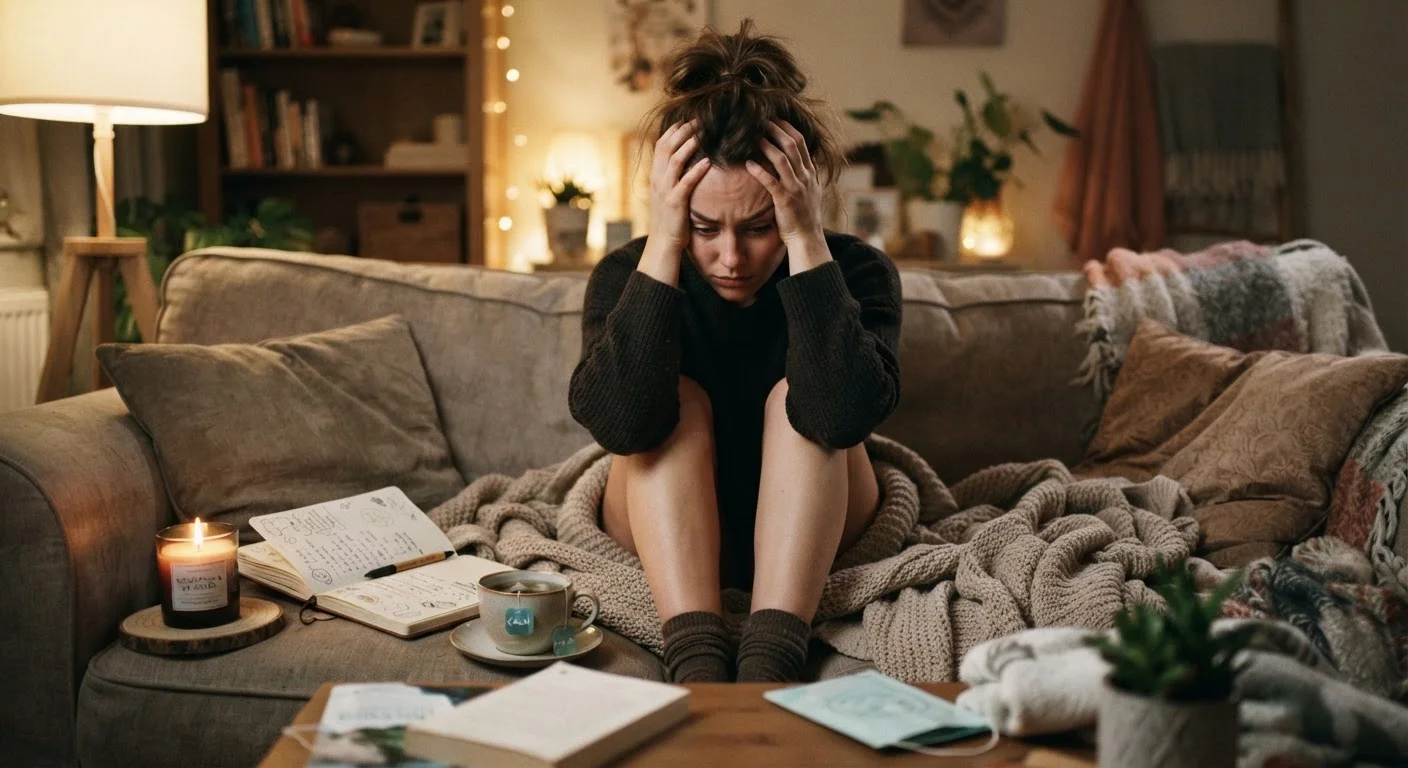
Why Self-Care Can Work Against You
Self-care is one of the most recommended tools in modern wellness — and with good reason. Genuine recovery practices support mental and physical health in meaningful ways. But the way self-care is often promoted, as a neat checklist of soothing activities, can quietly set people up for frustration rather than relief.
The problem isn't the idea of self-care. It's the gap between what we're told self-care looks like and what our bodies and minds actually need. Understanding the differences between stress, anxiety, and burnout can help you recognize what kind of support you actually need — because the answer isn't always the same.
Treating self-care as a rigid to-do list rather than a flexible, personal practice.
Why it happens: Wellness culture often packages self-care as a set of prescribed activities — journaling, meditation, bubble baths — that can start to feel obligatory.
Using self-care primarily to avoid difficult emotions or stressful situations.
Why it happens: When stress feels overwhelming, escaping it is a natural impulse. Activities that provide temporary relief can quietly become a way to sidestep problems rather than address them.
Comparing your self-care routine to others' on social media.
Why it happens: Social platforms heavily feature polished, aesthetic versions of wellness that can make personal routines feel inadequate or "not good enough."
Scheduling self-care as an afterthought once everything else is done.
Why it happens: Most people prioritize obligations and treat rest as something to earn, which means it rarely happens until exhaustion sets in.
Conflating self-indulgence with genuine restoration.
Why it happens: Marketing frequently equates self-care with consumption — expensive products, treats, or experiences — which can blur the line between enjoyment and actual recovery.
Building Self-Care That Actually Works
Effective self-care isn't dramatic or Instagram-worthy — it's consistent and honest. It starts with noticing what depletes you and what genuinely restores your energy, focus, or emotional steadiness. That answer varies considerably from person to person.
~1 in 5
U.S. adults living with a mental illness annually
According to the National Institute of Mental Health, approximately one in five American adults experiences a mental illness each year — underscoring how common struggles with wellbeing are.
77%
Americans who report physical stress symptoms
The American Psychological Association has consistently found that a large majority of Americans experience physical symptoms linked to stress, such as fatigue and headaches.
Practices like mindfulness and meditation can be valuable tools, but only when they fit naturally into your life and feel genuinely useful rather than obligatory. For a broader foundation, the Mental Wellness Complete Overview offers a grounding starting point for building sustainable habits.
Avoidance Disguised as Self-Care
Scrolling social media, binge-watching TV, or staying in bed all weekend can feel restorative but may actually reinforce avoidance patterns. According to general behavioral health principles, repeatedly escaping from stressors without addressing them can intensify anxiety over time. If your go-to self-care consistently involves avoiding responsibilities or emotions, it may be worth exploring more active coping approaches.
If you've been doing "all the right things" and still feel depleted, that's important information — not a personal failure. Sometimes persistent struggles signal a need for professional support rather than a better morning routine. Consider exploring what therapy can actually offer before ruling it out.
Self-Care Is Not a Substitute for Professional Support
If you are experiencing persistent anxiety, low mood, or burnout that doesn't improve with rest and routine changes, please reach out to a qualified healthcare professional. This article offers general wellness information only — it is not a substitute for medical or mental health advice. Therapy is more accessible than many people assume, and seeking help is a sign of self-awareness, not weakness.
This article is for general informational purposes only and does not constitute medical or mental health advice. Please consult a qualified healthcare professional for guidance specific to your situation.
The content on this site is for informational purposes only and is not a substitute for professional advice. Always consult a qualified professional for guidance specific to your situation.