

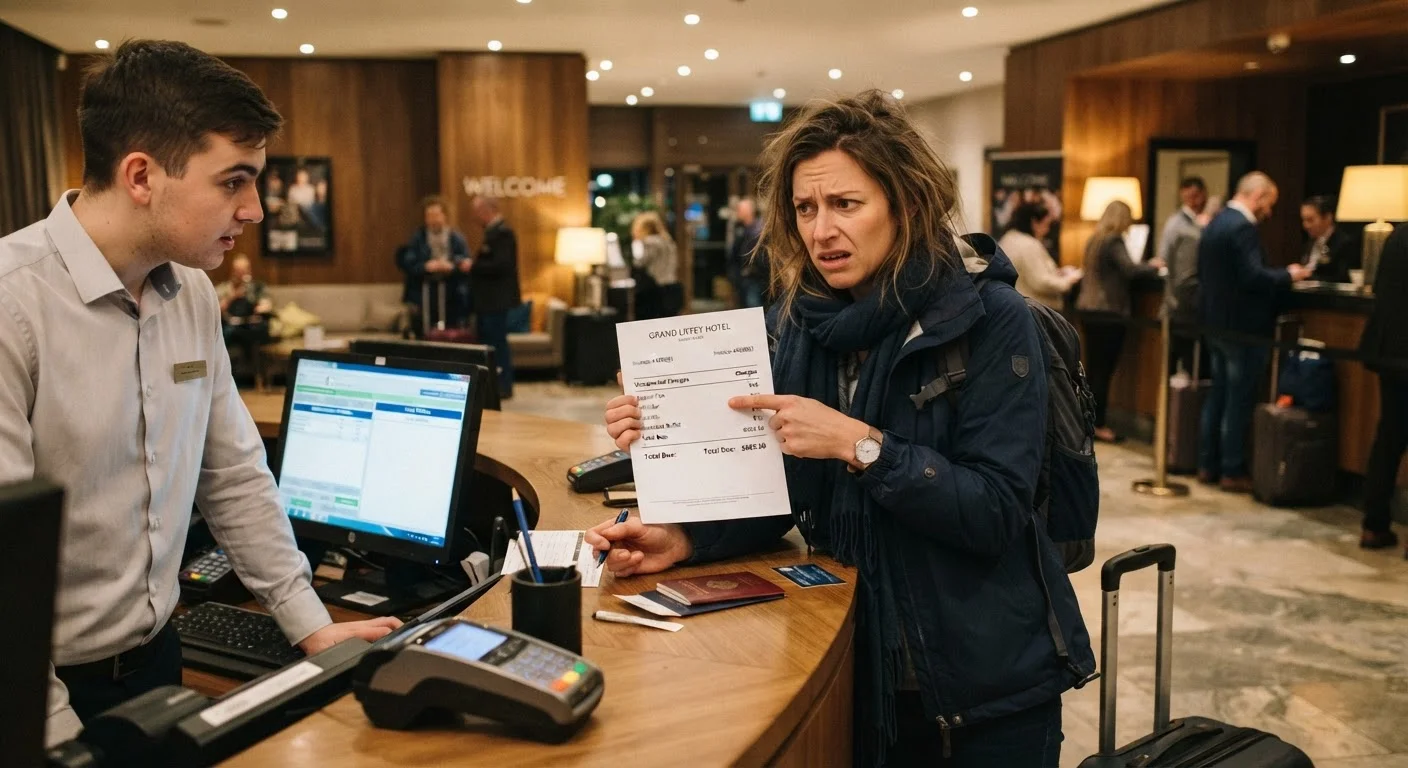
Why First-Time Travelers Get Hit With Unexpected Charges
Travel advertising is built around headline numbers. A $199 flight or a $129-per-night hotel room sounds like a clear, complete price — but by the time you reach the checkout screen, or worse, the check-in desk, the real total is often meaningfully higher. This isn't accidental. Many components of a trip that travelers assume are standard inclusions are, in practice, optional add-ons or separately disclosed fees.
The good news: these charges are almost always disclosed somewhere before you finalize a booking. The challenge is knowing where to look and what to look for. Understanding the most common assumptions first-time travelers make is the fastest way to protect your budget. For context on all the places travel costs can quietly accumulate, our guide to where your money actually goes on a trip breaks down the full picture.
Myth
My flight ticket includes checked baggage.
Fact
Most domestic and international economy fares sold today do not include checked bags — they must be added separately, often for $30–$60 per bag each way.
Budget and basic-economy fare classes were specifically designed to strip out luggage allowances to advertise lower base prices. Even on full-service carriers, basic economy tickets typically exclude checked bags and sometimes carry-on bags beyond a personal item. Always click through to the fare rules or baggage policy before completing your booking — the fee structure is disclosed there, not on the search results page.
Myth
The hotel rate I booked is the total I'll pay.
Fact
Resort fees, destination fees, and parking charges are routinely added at check-in and are not reflected in the nightly rate shown on most booking sites.
Resort fees — daily charges for amenities like the pool, gym, or Wi-Fi — can range from $20 to over $50 per night at many U.S. and Caribbean hotels. These fees are legal but are often disclosed only in fine print. Before booking, search the hotel's name along with "resort fee" or check its official website for a full rate breakdown. For a deeper look at how all-inclusive pricing works, see what "all-inclusive" actually covers.
Myth
Airport transfers are included with my flight or hotel.
Fact
Ground transportation between the airport and your accommodation is almost never included unless you have explicitly booked a transfer package.
This is one of the most common budget surprises for first-time travelers. Taxis, rideshares, private shuttles, and hotel car services all carry separate costs that vary widely by destination. Research your options before arriving — some cities have affordable public transit options to the city center; others require a taxi or shared shuttle that can cost $40–$100 or more each way.
Myth
Travel insurance covers any reason I cancel my trip.
Fact
Standard travel insurance policies cover specific named reasons for cancellation — not any reason the traveler chooses.
A standard policy typically covers cancellations due to illness, injury, or a death in the family, among other listed events. Changing your mind, work conflicts, or simply deciding not to go are generally not covered unless you have purchased a "Cancel for Any Reason" (CFAR) upgrade, which is sold separately and usually reimburses only a portion of trip costs. Always read the policy's list of covered reasons before purchasing. Our guide to what travel insurance actually covers explains the key exclusions in plain language.
Myth
My U.S. health insurance works the same way abroad.
Fact
Most U.S. domestic health plans provide little to no coverage outside the country, and Medicare generally does not cover care received abroad.
This gap catches many American travelers off guard. If you require emergency care overseas, you may face large out-of-pocket bills before your domestic insurer reimburses anything — if it does at all. Separate travel medical insurance is designed to fill this gap. For a fuller picture, see common assumptions about overseas medical care. This content is general information and not medical or insurance advice; consult a licensed professional for guidance specific to your plan.
Myth
An "all-inclusive" resort means everything is free once I arrive.
Fact
All-inclusive packages typically cover standard meals, drinks, and select activities — but premium restaurants, spa services, motorized water sports, and excursions often cost extra.
The definition of "all-inclusive" varies considerably from one resort to another. At some properties, even certain alcoholic beverages, room service, or Wi-Fi in specific areas are excluded from the package. Before booking, request or download the property's full list of included and excluded items rather than relying on marketing language alone.
How to Audit a Booking Before You Confirm
Catching hidden costs before you pay is largely a matter of habit. Apply these checks to every flight, hotel, or tour reservation:
- Flights: After selecting a fare, click through to the full fare rules. Look for baggage allowance, seat selection policy, and change/cancellation fees. Basic economy fares strip out most of these inclusions.
- Hotels: Search for the property's name plus "resort fee" or "destination fee" before booking. Check the hotel's own website for a full nightly rate including taxes and surcharges, and compare it to what third-party platforms show.
- Tours and activities: Read the "what's included" and "what's not included" sections carefully. Entrance fees to parks or monuments, gratuities, and meals are frequently excluded from tour prices.
- Ground transportation: Map the distance from your arrival airport to your accommodation and research realistic transport options and costs for that destination before you land.
Seat Selection Fees Can Surprise You at the Gate
Many airlines now charge separately for seat selection, even on paid economy tickets. If you skip seat selection during booking, you may be assigned a middle seat — or charged a higher fee at check-in to move. Review the airline's seating policy at the time of booking, as policies vary and change frequently.
Building this habit before every booking can prevent the kind of pre-trip overspending described in our breakdown of overlooked ways travelers blow their budget before leaving home. If you want a structured approach, the trip-planning checklist for budget-conscious travelers walks through each decision point in order.
Always Read the Full Booking Breakdown
Before confirming any flight, hotel, or tour reservation, scroll to the complete price summary — not just the headline number. Taxes, resort fees, and service charges are frequently added on a separate line or disclosed only at the final checkout step. If a fee is unclear, contact the provider directly before paying.
$30–$60
Typical one-way checked bag fee on U.S. carriers
Baggage fee structures vary by airline and fare class; fees were widely reported in consumer travel coverage as of recent years and should be verified directly with your carrier.
$20–$50+
Daily resort fee range at many U.S. and Caribbean hotels
Resort fees are charged at check-in and are separate from the nightly rate displayed on most third-party booking platforms.
$40–$100+
One-way airport transfer cost at many popular destinations
Ground transportation prices vary significantly by city, distance, and transport type; always research local options before arriving.
The content on this site is for informational purposes only and is not a substitute for professional advice. Always consult a qualified professional for guidance specific to your situation.