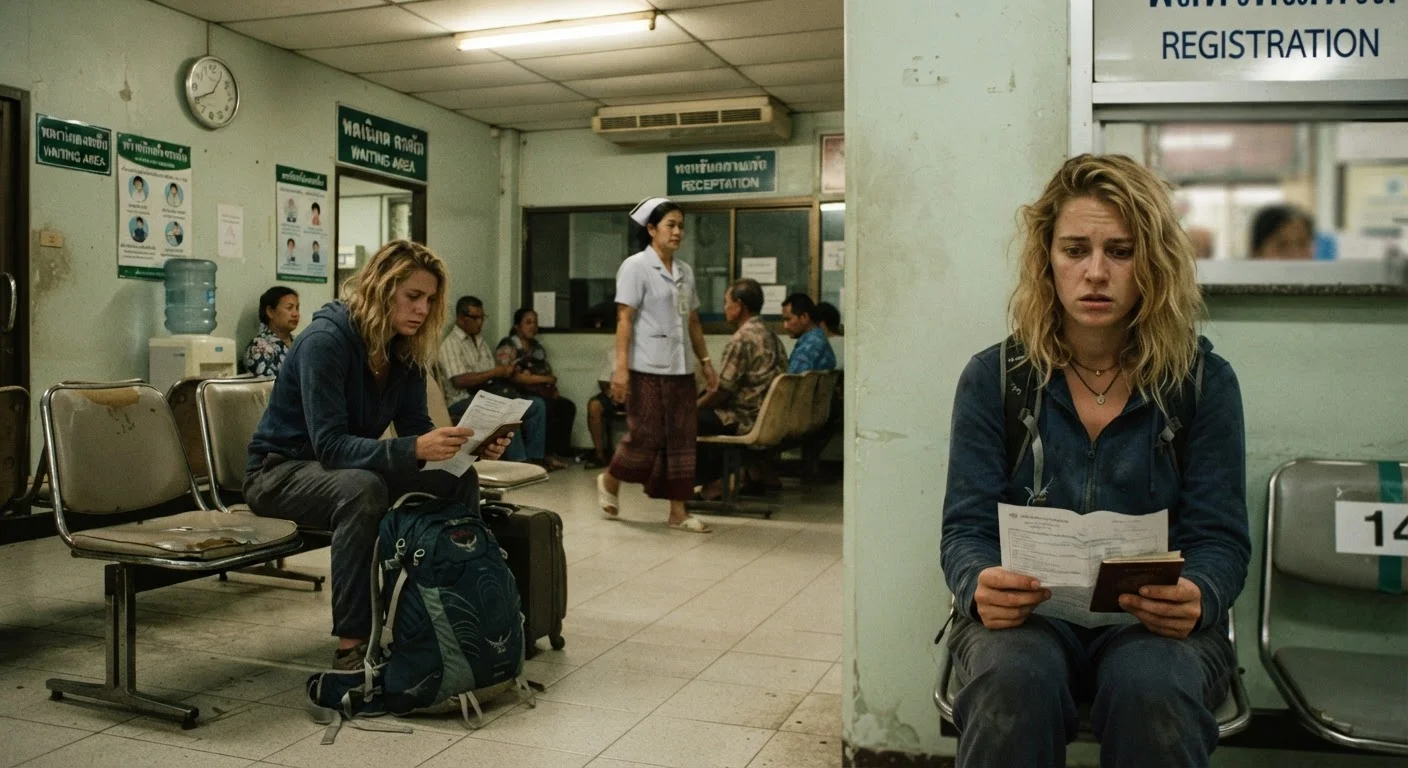


What Situational Awareness Actually Means
Most people associate situational awareness with action movies or military operations. In reality, it is a practical, everyday skill that anyone can develop — and one that becomes especially valuable when you are traveling in an unfamiliar place.
At its core, situational awareness works in three layers:
- Perception: Noticing what is physically around you — people, exits, vehicles, lighting, noise.
- Understanding: Making sense of what you observe. Does that group near the ATM seem unusual? Is the neighborhood quieter than expected for this time of day?
- Anticipation: Using what you understand to think one step ahead. If you feel uneasy, what is your next move?
These layers work together continuously. You don't need to consciously run through a checklist; with practice, the habit becomes automatic — the same way experienced drivers notice hazards without consciously scanning for them.
Awareness Is Not the Same as Suspicion
Practicing situational awareness does not mean treating strangers as threats or approaching new environments with anxiety. Most situations in most places are safe. The goal is simply to stay present and informed — so that on the rare occasion something is wrong, you notice it quickly and can respond with calm rather than confusion.
Why It Matters More When You're Traveling
At home, your brain has already mapped your environment. You know which blocks to avoid after dark, which gas station feels sketchy, and which neighbors are trustworthy. That background knowledge is itself a form of situational awareness built up over years.
When you travel — especially internationally or to cities you've never visited — that mental map doesn't exist. You're working from scratch, which means your active attention has to compensate for what familiarity normally provides.
Travelers are also statistically more attractive targets for opportunistic theft because they often carry valuables (passports, cash, electronics), may look disoriented, and are less likely to know local help resources. None of this means travel is dangerous; it simply means awareness pays extra dividends on the road.
1 in 3
Travelers who experience opportunistic theft
Research from travel safety organizations suggests roughly one in three international travelers experiences some form of petty theft or opportunistic crime during their travels.
70%
Accidents linked to inattention or distraction
According to the National Highway Traffic Safety Administration, a large majority of traffic incidents involve some form of driver inattention, underscoring how critical sustained awareness is in transit environments.
Pairing strong situational awareness with preparation — like having a travel safety plan in place before you leave — gives you both proactive and reactive coverage.
Practical Habits That Build Awareness
You don't need specialized training to improve your situational awareness. The following habits can meaningfully raise your baseline attention in unfamiliar environments:
- Put the phone away when walking. Checking directions while moving is one of the fastest ways to become unaware of what is around you. Step to the side, check the map, then move.
- Choose strategic seating. In restaurants, cafés, or transit stations, sit where you can see the entrance. This gives you more time to notice anything that seems off.
- Learn the layout before you arrive. Reviewing a neighborhood's main streets and landmarks before you land means you spend less time staring at a map — and less time looking like a tourist.
- Trust discomfort. If a situation feels wrong without an obvious reason, that unease is worth paying attention to. Move away from the situation first, analyze it later.
- Keep documents and valuables secured and less visible. Being aware of who can see your passport or wallet is situational awareness applied directly to document safety.
Start Practicing at Home, Not at the Airport
The best time to build situational awareness habits is before your trip begins. Try putting your phone away during a walk in your own neighborhood, or consciously noting exits when you enter a new building. These low-stakes repetitions make the habit automatic by the time you're navigating an unfamiliar city.
These skills also apply beyond travel. The same attentive, observational mindset that serves you on the road is connected to broader critical-thinking habits — something the practice of critical thinking in everyday situations explores in more depth.
Digital Awareness: The Often-Overlooked Layer
Situational awareness doesn't stop at the physical environment. When you're traveling, your digital habits are equally worth monitoring. Public Wi-Fi networks, unfamiliar charging stations, and apps that request broad permissions can all pose risks that aren't immediately visible.
For example, understanding what your apps are actually asking for when they request permissions is a form of digital situational awareness — you notice what access is being requested, consider whether it makes sense, and make an informed choice.
Simple digital habits — turning off auto-connect for Wi-Fi, using a VPN on public networks, and keeping location sharing limited to only the apps that need it — mirror the same three-layer model: perceive what is happening, understand what it means, and anticipate the outcome.
This article provides general travel safety information for educational purposes. Travelers should verify current conditions, entry requirements, and local advisories through official government sources before departing.
Frequently Asked Questions
No. Paranoia involves irrational fear disconnected from real evidence. Situational awareness is calm, fact-based attention to your actual environment. The goal is to notice genuine risks early so you can respond without panic, not to treat every stranger as a threat.
Start with small habits: put your phone away when walking in unfamiliar areas, scan a room when you enter, and take note of exits and landmarks. Practice these routines at home so they feel natural before your trip.
Yes. Awareness of your digital environment matters too — for example, noticing what permissions an app requests or whether a public Wi-Fi network is legitimate. The same principles of observation and judgment apply online as they do on the street.
Distraction — particularly from smartphones — is the most common culprit. Walking while looking at a screen narrows your attention dramatically and makes you an easier target for theft or accidental hazards.
Absolutely. Being aware of who can see your passport, where your wallet is, and whether someone is watching you at an ATM are all forms of situational awareness that protect your documents and finances while traveling.
The content on this site is for informational purposes only and is not a substitute for professional advice. Always consult a qualified professional for guidance specific to your situation.