

Why Food Spending Spirals for Travelers
Food is one of the easiest budget lines to lose control of while traveling. Without a home kitchen or any sense of local pricing, it's common to default to restaurants near your hotel, buy bottled water constantly, and pay a premium simply for convenience. A single tourist-zone meal in many European or Asian cities can cost two to three times what locals pay just two blocks away.
The good news: eating well and eating affordably abroad are not in conflict. The same food culture that makes a destination worth visiting also tends to produce cheap, high-quality everyday meals — you just need to know where to look. For a broader view of how pre-trip decisions affect your overall food and travel budget, see our guide to pre-trip budget mistakes.
Proven Practices for Eating Affordably Without Sacrificing Quality
The following strategies are used consistently by experienced travelers across many destinations. None require extreme sacrifice — just a willingness to eat as locals do.
Eat your largest meal at lunch, not dinner.
In many countries — particularly in Europe and Latin America — lunch is the main meal of the day, and restaurants offer fixed-price lunch menus (sometimes called 'menu del día' or 'prix fixe') at prices well below what the same food costs at dinner. Shifting your eating schedule to match local habits is one of the most reliable ways to access restaurant-quality food at everyday prices.
Shop at local markets and grocery stores for breakfast and snacks.
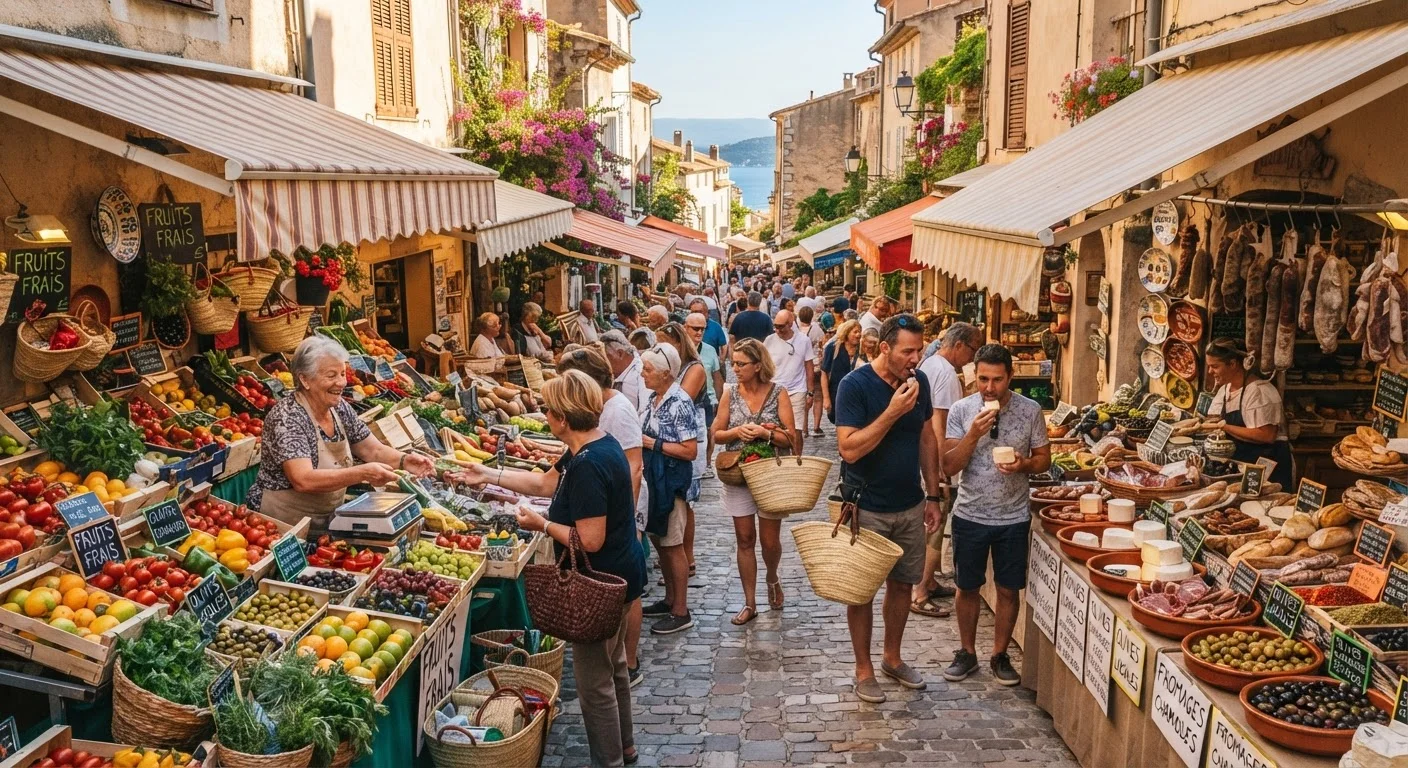
Hotel breakfasts are typically marked up heavily, and café breakfasts in tourist areas follow the same pattern. Buying bread, fruit, yogurt, or local pastries from a neighborhood market or grocery store costs a fraction of the price and often tastes just as good — sometimes better.
Follow local workers to find authentic, affordable restaurants.
Restaurants that cater to office workers, tradespeople, and local residents on weekday lunches cannot charge tourist prices — their customers simply won't pay them. These spots tend to offer generous portions, home-style cooking, and prices that reflect the actual cost of eating in that city.
Carry a reusable water bottle and refill it from safe sources.
Buying bottled water multiple times a day is a quiet but persistent drain on travel budgets. In destinations where tap water is safe, a reusable bottle eliminates this cost entirely. Where tap water isn't safe, large refill jugs at supermarkets cost far less per liter than individual bottles from tourist kiosks.
Identify the local 'cheap eat' format before you arrive.
Every food culture has a traditional format for fast, affordable, filling food — the kind eaten daily by people who aren't tourists. Knowing what that looks like in your destination helps you spot it immediately when you arrive, rather than defaulting to fast-food chains or tourist-facing eateries by default.
Quick Wins You Can Apply Today
Before your trip even begins, a few small preparations can significantly reduce what you'll spend on food every day you're abroad. These require minimal effort but deliver consistent savings throughout your trip.
If you're building your first international trip from scratch, our ground-up budget travel guide walks through every planning stage, including how to factor food into your daily allowance realistically.
The Bigger Picture: Food as Part of Your Travel Budget
Food decisions compound quickly. Saving $15 to $20 per day on meals over a two-week trip can free up $200 or more — enough to fund an extra activity, a longer stay, or a buffer for unexpected costs. Travelers who stay longer in one place often save even more on food because they can shop at local markets, develop neighborhood routines, and avoid the premium of constantly eating out in unfamiliar areas.
Food Safety Is Worth Prioritizing
Eating affordably abroad doesn't mean ignoring food safety. Street food and market vendors with high customer turnover are generally reliable indicators of freshness, but it's worth checking travel health advisories for your destination before you go. The U.S. Centers for Disease Control and Prevention (CDC) and the U.S. Department of State both publish destination-specific food and water safety guidance. When in doubt, cooked food served hot is typically safer than raw or room-temperature options in higher-risk regions.
Use the pre-trip planning checklist to build food costs into your budget before you book anything — not as an afterthought.
This article provides general travel and budgeting information only. Prices, availability, and local conditions vary by destination and change over time. Always verify current information through official sources before you travel.
The content on this site is for informational purposes only and is not a substitute for professional advice. Always consult a qualified professional for guidance specific to your situation.