

Summary

18 items · 20–40 minutes of active prep; patch test requires 24–48 hours

Why Switching Products Deserves a Real Plan

New skincare products are exciting — but your skin doesn't always share the enthusiasm. Whether you're adding a vitamin C serum to brighten things up or trying your first retinol, the way you introduce a product matters just as much as the product itself. Skipping steps like patch testing or piling on multiple new things at once is how minor irritation turns into a full-blown skin setback.

If you're still building out your baseline routine, our beginner's guide to building a skincare routine is a great starting point before layering in new products. And remember: what goes on your skin isn't the whole story — lifestyle habits like sleep and hydration shape your skin just as powerfully as any serum.

Use this checklist as your go-to safety net every time something new lands in your bathroom cabinet.

Required

Ingredient decoder app or website

Helps you look up unfamiliar ingredients and flag potential irritants before committing to a product.

Optional

Phone camera

Useful for photographing skin progress under consistent lighting to track subtle changes over time.

Optional

Notes app or skin journal

Log daily skin observations so you can identify patterns and pinpoint what's working or causing issues.

The Full Switching Checklist

Work through these steps in order — the sequence matters. Research before you buy, test before you apply broadly, and monitor carefully once you've started. Rushing any stage is the most common reason people end up blaming a product that might have worked fine with a slower introduction.

Before You Buy

Research the product's key ingredients to understand what they do and whether they suit your skin type. Must
Check the full ingredient list for anything you know you're sensitive or allergic to. Must
Confirm the product is formulated for your skin concern — don't assume a label like "hydrating" covers everything you need. Should
Look up whether the new product contains actives (like retinoids, AHAs, BHAs, or vitamin C) that may interact with products already in your routine. Must

Patch Testing

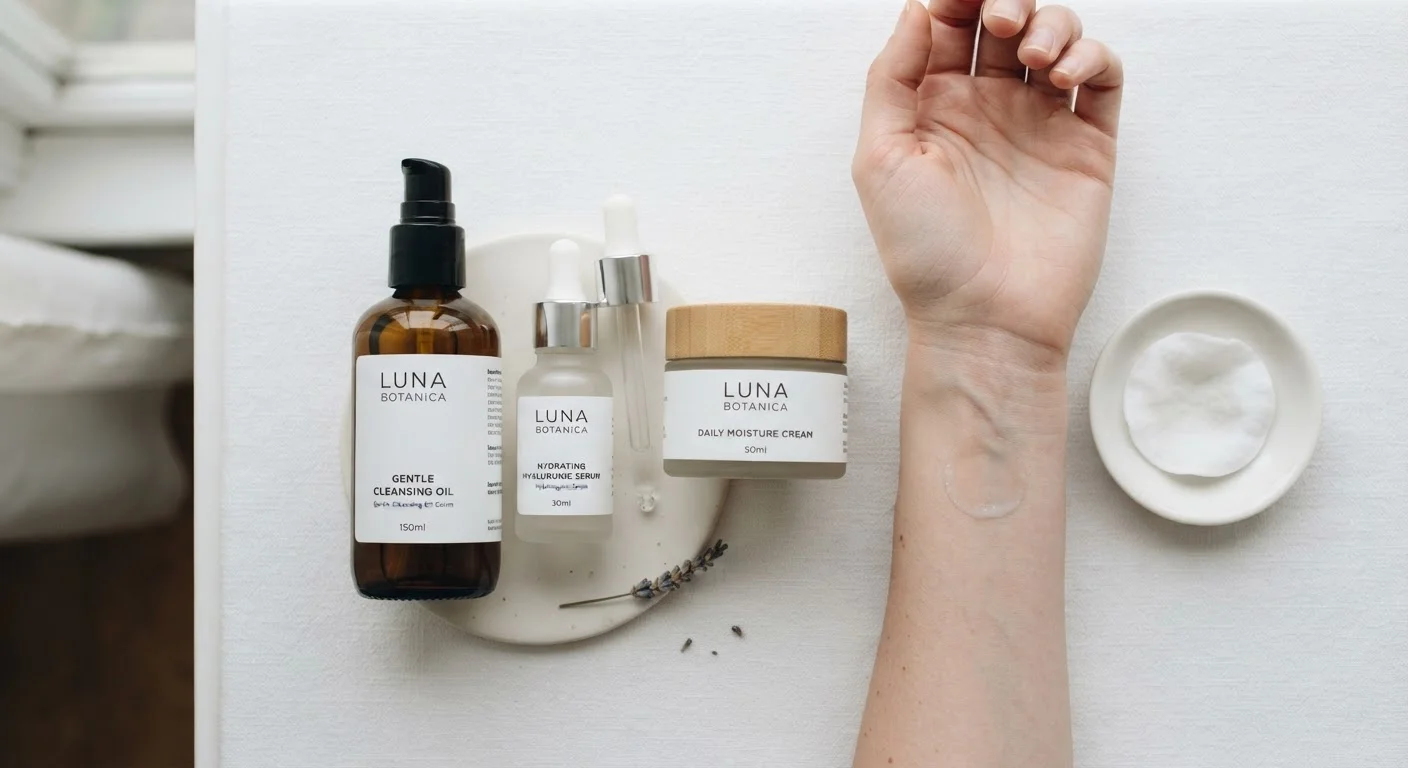
Apply a small amount of the product to a discreet area — the inner arm or behind the ear are common choices. Must
Leave the patch undisturbed for 24–48 hours without washing the area. Must
Check the patch site for redness, itching, swelling, or any irritation before moving forward. Must
If you have reactive or sensitive skin, wait the full 48 hours — not just overnight — before declaring a patch test clear. Should

Introducing the Product

Add only one new product at a time; wait at least one to two weeks before introducing anything else. Must
Start with a lower frequency — every other day or a few times a week — especially with potent actives. Should
Apply the new product last in your routine the first few times to minimize interaction risk with other steps. Nice to have
Keep the rest of your routine stable and avoid trying new foods or other products simultaneously, so reactions are easier to trace. Should

Monitoring and Adjusting

Keep a brief skin diary — a note on your phone is fine — logging how your skin looks and feels each day. Nice to have
Stop using the product immediately if you experience burning, significant redness, swelling, or hives, and consult a dermatologist if symptoms persist. Must
Distinguish between a skin "purge" (a temporary increase in breakouts common with exfoliating actives) and a genuine adverse reaction — purging typically resolves within a few weeks. Should
Evaluate the product's effectiveness after a consistent 4–6 week trial before deciding it isn't working. Should
If results are unclear, photograph your skin under the same lighting weekly to track subtle changes objectively. Nice to have
Check in with a licensed dermatologist if you're unsure whether a reaction is normal or if your skin condition worsens. Must

Stop Immediately If You Experience These Symptoms

Burning that doesn't subside, significant swelling, hives, or difficulty breathing after applying a skincare product require prompt medical attention. These may signal an allergic reaction rather than simple sensitivity. Do not continue using the product and seek professional guidance right away.

This article is for general informational and educational purposes only and is not a substitute for professional medical or dermatological advice. If you experience persistent skin reactions, consult a licensed dermatologist.

Share

Style & Beauty Editorial Team · Contributor

Style & Beauty Editorial Team is the collective byline for our editorial team and contributor network. Articles published under this byline or an editorial pen name are researched, written, and reviewed according to our editorial standards for clarity, consistency, and independence before publication.

The content on this site is for informational purposes only and is not a substitute for professional advice. Always consult a qualified professional for guidance specific to your situation.