

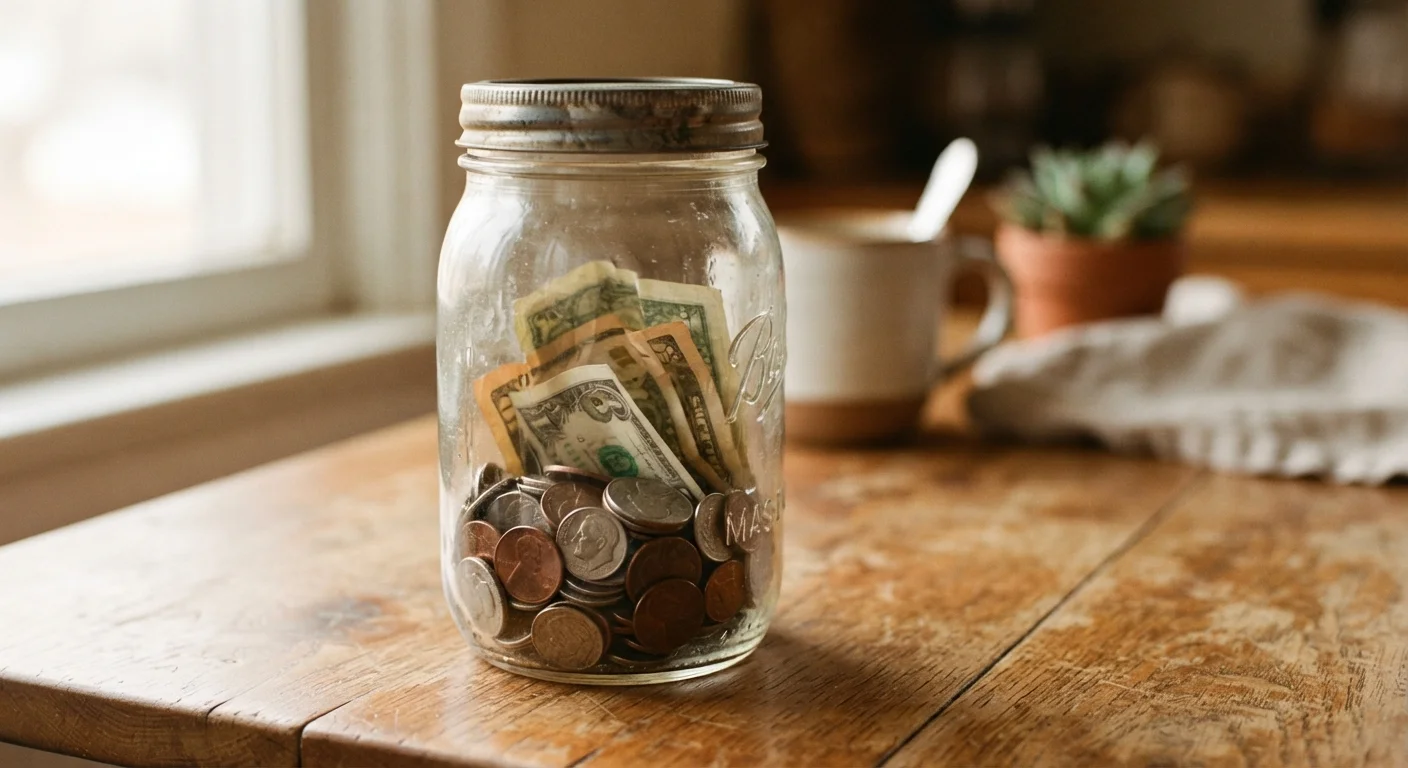
Why an Emergency Fund Matters More Than Any Other Savings Goal
Before investing, paying down debt aggressively, or saving for anything specific, most financial educators recommend having some emergency savings in place. The reason is straightforward: without a cushion, a single unexpected expense — a car repair, a medical bill, a missed shift — can push you into high-interest debt that takes months or years to repay.
An emergency fund is not about being wealthy. It's about having a small buffer that keeps a bad day from becoming a financial spiral. For people on tight budgets, that buffer matters most.
If you're also thinking about other savings goals down the line, savings strategies worth knowing about before you start covers approaches like sinking funds and goal-based saving that complement an emergency fund once yours is established.
What you will need
Step-by-Step: Building Your Fund
A separate savings account
Keeps your emergency fund physically separated from spending money so it's harder to dip into accidentally.
A simple budget or spending tracker
Helps you identify where money is going so you can find small amounts to redirect toward savings.
Automatic transfer feature (via your bank or credit union)
Moves a set dollar amount from checking to savings on payday without requiring you to remember.
Set a realistic starter goal
Forget the advice to save three to six months of expenses right away — that target is a long-term goal, not a starting point. For a first emergency fund, aim for $500 to $1,000. That amount covers a flat tire, an urgent co-pay, or a broken appliance without forcing you onto a credit card.
Write the number down. A concrete target is easier to work toward than a vague intention to "save more."
Find the money in your current budget
Look at the last 30 days of spending and circle any category that isn't a true fixed necessity. Common sources of redirectable dollars include streaming subscriptions you rarely use, takeout meals, impulse purchases, and unused memberships.
You don't need to eliminate anything you enjoy — just find $10 to $25 per week you can shift toward your fund. That's $40–$100 a month, which gets you to $500 in five to twelve months.
See our guide to building your first monthly budget if you haven't mapped your expenses yet — it's a good foundation before this step.
Open a dedicated savings account
Put your emergency fund somewhere separate from your everyday checking account. This separation creates a small psychological barrier that helps prevent accidental spending. Many banks and credit unions offer no-fee savings accounts with no minimum balance requirement.
Look for an account that doesn't charge monthly maintenance fees and doesn't require a large opening deposit. This is general guidance — compare terms carefully and read the account disclosures before opening anything.
Automate your contributions
Set up an automatic transfer from your checking account to your new savings account timed to your payday. Even $10 or $20 per paycheck adds up consistently over time — and automation means you save before you have a chance to spend the money.
Most banks let you schedule recurring transfers through their app or online portal. If yours doesn't, set a phone reminder to do it manually right after payday.
The pay-yourself-first approach — where savings come out before discretionary spending — is the principle behind this step and is worth understanding more broadly.
Define what counts as an emergency
Before you need the money, decide what qualifies as a true emergency: unexpected medical expenses, urgent car repairs needed to get to work, a sudden loss of income, or an unavoidable home repair. Planned purchases — even fun ones like travel — are not emergencies.
Having this definition in place makes it easier to protect the fund when temptation arises.
This article is for general informational purposes only and does not constitute personalized financial advice. Consider speaking with a qualified financial professional about your specific situation.
Common Obstacles — and How to Work Around Them
Two hurdles come up repeatedly for people starting their first emergency fund.
"I can't find any extra money."
Start smaller than feels meaningful. Even $5 per paycheck gets the habit started and the account open. Once saving feels normal, it becomes easier to increase the amount. Also consider whether one-time windfalls — a tax refund, a birthday gift, overtime pay — could give you a head start without requiring ongoing sacrifice.
Cutting food costs can also free up more than most people expect. Our practical strategies for eating well on a tight budget can help you spend less at the grocery store without compromising nutrition.
"I keep using it for non-emergencies."
This usually means the fund isn't separate enough. Move it to a different institution from your checking account if possible, or remove the account from your mobile banking dashboard so it's slightly harder to access. A little friction goes a long way.
Progress Counts More Than Speed
There's no deadline for building an emergency fund. A $200 fund started today beats a $1,000 fund planned for "someday." Consistency over time — not the size of each contribution — is what actually gets you there. Celebrate small milestones and keep going.
The content on this site is for informational purposes only and is not a substitute for professional advice. Always consult a qualified professional for guidance specific to your situation.