

Our Verdict
DIY home repair is genuinely worth it for a wide range of common tasks - patching drywall, painting, caulking, replacing fixtures - where the risk is low and the learning curve is manageable. But it stops being a smart move when safety, permits, or technical complexity enter the picture. Honest self-assessment matters more than enthusiasm.
Homeowners who are willing to research thoroughly, start with lower-stakes tasks, and know when to call a licensed professional for work that goes beyond their current skill level.
What DIY Actually Means for Your Wallet
The appeal of doing it yourself almost always starts with money. Skipping labor costs on a simple repair can shave hundreds of dollars off a bill - and for tasks like patching small holes, replacing a bathroom faucet, or repainting a room, those savings are real and repeatable.
But the math only works in your favor when the job goes reasonably well. A repair that gets abandoned halfway, done incorrectly, or requires a pro to come in and undo your work first can end up costing significantly more than the original quote. That's not a reason to avoid DIY - it's a reason to be honest about your starting point.
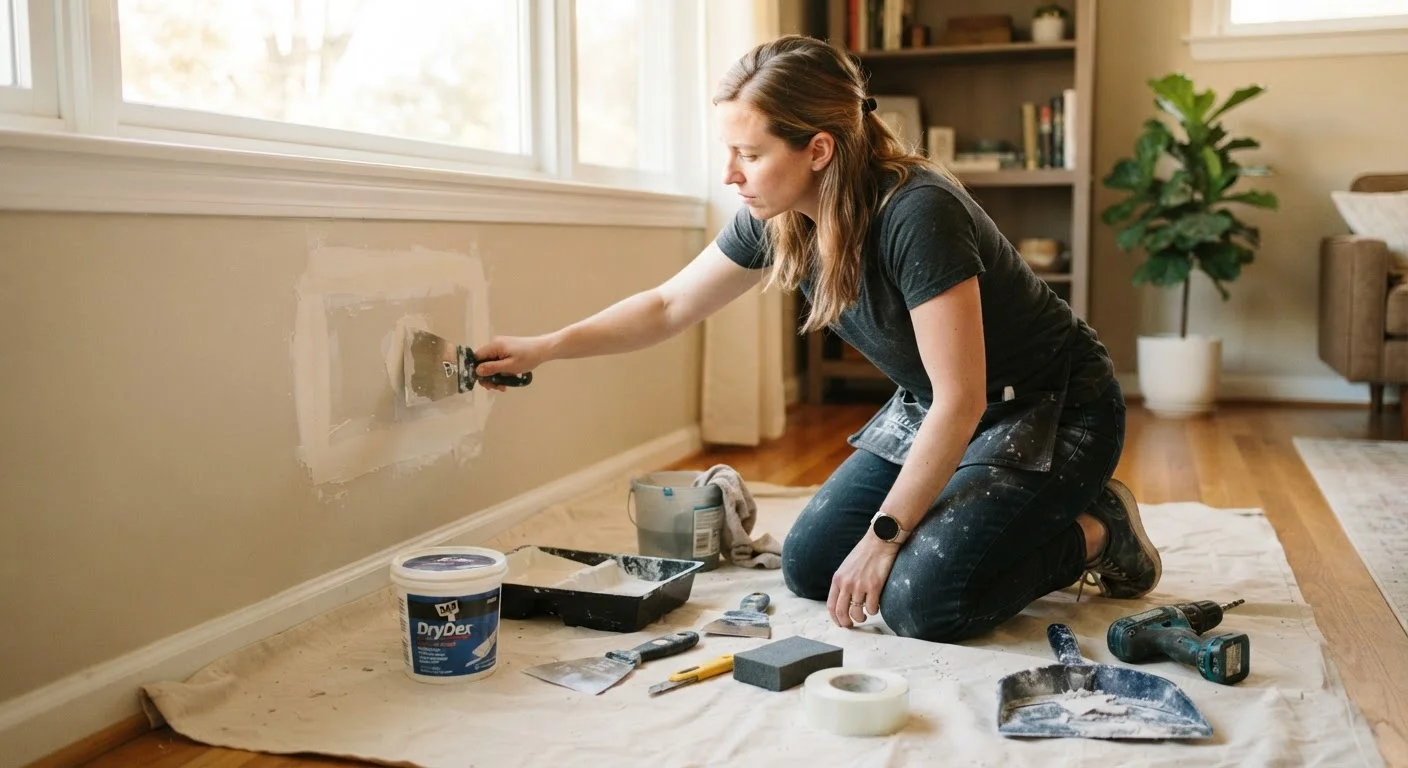
For genuinely beginner-friendly repairs, see our guide to patching drywall - a task that most homeowners can handle with a little patience and the right materials.
Direct labor cost savings on straightforward repairs
Many common repairs - patching walls, replacing fixtures, basic painting - involve modest material costs but high labor markups. Doing these yourself can cut the total bill substantially.
Builds practical skills over time
Each completed repair adds to your working knowledge of how your home functions, making future projects easier and helping you have more informed conversations with professionals.
Work gets done on your schedule
You're not waiting on a contractor's availability. For minor repairs, this flexibility can prevent small problems from becoming bigger ones through delay.
Greater control over materials and quality
When you source materials yourself, you can choose what goes into your home rather than accepting whatever a contractor includes in their standard package.
The Risks That Don't Show Up in YouTube Tutorials
Online tutorials are a fantastic resource, but they tend to show the clean version of a repair - the one where nothing unexpected is hiding behind the wall. Real homes are older, messier, and more variable than any demonstration.
The bigger concern is work that carries genuine hazard. Electrical repairs, gas line work, and anything structural - load-bearing walls, roof framing, foundation issues - are areas where mistakes can be dangerous, not just inconvenient. These categories also frequently require permits and inspections, and doing them without the proper approvals can create problems when you sell the home or make an insurance claim.
Errors can multiply the original cost
A repair done incorrectly often costs more to put right than if a professional had handled it from the start - especially if the mistake causes secondary damage.
Hazardous work carries real safety risk
Electrical, gas, and structural repairs are technically demanding and physically dangerous when approached without adequate training or the right tools.
Permits and codes apply regardless of who does the work
Many repairs - even ones that seem minor - legally require permits and inspections. Unpermitted work can affect your homeowner's insurance and complicate a future home sale.
Hidden complications are common in older homes
What looks like a simple fix can reveal outdated wiring, water damage, or asbestos-containing materials, turning a weekend project into something that requires professional intervention.
Tool and material costs add up
If a repair requires specialized tools you don't own, the cost to buy or rent them can significantly reduce or eliminate your projected savings.
It's also worth being aware that some home improvement myths can lead DIYers astray from the start. Our article on home improvement myths that cost homeowners money covers several assumptions that lead to avoidable problems.
How to Decide Whether a Job Is Right for You
A useful way to think about any repair: consider both the cost of getting it wrong and the complexity of doing it right. Painting a bedroom has a low ceiling on both - a bad paint job is fixable, and the technique is learnable. Replacing a main electrical panel has a high ceiling on both - the consequences of error are serious, and the knowledge required takes years to develop safely.
When Permits Are Required
Permit requirements vary by municipality, but electrical work, plumbing changes, structural modifications, and additions almost universally require them across the US. Your local building department's website is the most reliable place to check before starting any project of meaningful scope. Working without a required permit can result in fines, mandatory tear-out, and complications with your homeowner's insurance.
Before starting any repair, it's worth asking a few honest questions: Have you done anything similar before? Do you have the right tools, or will acquiring them eat into your savings? Is this work that requires a permit in your area? And do you have a plan for what happens if something unexpected comes up mid-job?
When a task does exceed your comfort level, knowing how to vet a professional matters. Our guide to hiring a tradesperson covers what to ask and what documents to request before work begins.
Where DIY Tends to Pay Off Most Consistently
Experience and research suggest that certain categories of home repair are reliably well-suited to motivated DIYers: cosmetic repairs, basic plumbing like replacing supply lines or unclogging drains, installing light fixtures (where the circuit can be safely de-energized and verified), weatherstripping, caulking, and basic landscaping work.
These tasks share a few common traits - they're well-documented, the materials are widely available, mistakes are usually catchable before they cause further damage, and the skill gap between a novice and a professional is relatively small. Building confidence here also develops the practical knowledge that helps you better evaluate what a contractor is doing when you do need to hire one.
~35%
Share of home repairs attempted by owners annually
Industry surveys consistently find that roughly a third or more of US homeowners attempt at least one repair or improvement project themselves each year.
1 in 3
DIY projects that require professional follow-up
Surveys of contractors suggest a significant share of their work involves correcting or completing repairs that homeowners started but were unable to finish safely or correctly.
The goal isn't to DIY everything or nothing - it's to build a realistic picture of your own capabilities and apply them where they'll actually serve you.
The content on this site is for informational purposes only and is not a substitute for professional advice. Always consult a qualified professional for guidance specific to your situation.