

Why Moisture Sneaks Up on You
Mould gets all the attention - and for good reason. But by the time mould is visible on your walls or ceiling, moisture has usually been doing quiet damage for a while. The good news is that your home gives off plenty of warning signals before it gets to that point. You just need to know what to look for.
Excess indoor moisture typically comes from a handful of sources: poor ventilation, small plumbing leaks, condensation from temperature differences, or water intruding from outside through gaps in the building envelope. Sometimes it's a combination of all of these. The signs below appear across different parts of the home, so it helps to do a slow walk-through - basement to attic - every few months with these in mind.
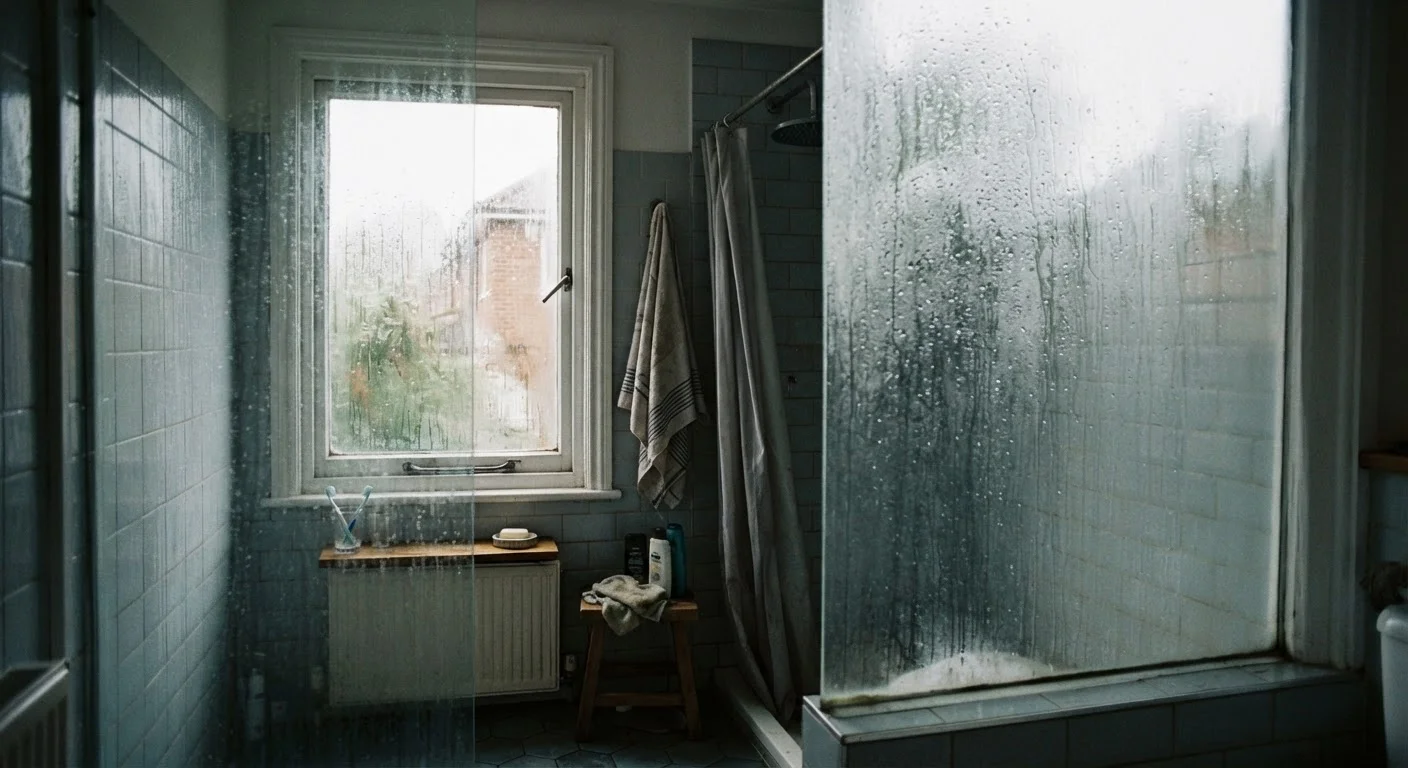
Persistent condensation on windows
A little morning condensation on a cold window isn't unusual in winter. But if your windows are regularly fogged up - especially interior double-pane glass - it points to humidity levels that are consistently too high indoors. On double-pane windows, fogging between the panes means the seal has failed, which is a separate issue, but surface condensation that lingers well into the morning suggests the air inside holds more moisture than it should.
Typical culprits include cooking without a range hood running, long hot showers without exhaust ventilation, or too many moisture-producing activities (drying laundry indoors, houseplants in high concentration) without adequate airflow.
Lingering window fog is one of the most reliable early signs that indoor humidity is out of balance.
A musty smell with no obvious source
Mould and mildew produce volatile organic compounds (VOCs) that create that distinctive earthy, damp smell - often before any visible growth appears. If you notice it when you walk into a room, open a closet, or go into the basement, trust that your nose is picking something up real.
Focus on enclosed spaces: under sinks, behind washing machines, inside wall cavities near exterior walls, and any area that doesn't get good airflow. Musty odors in closets along exterior walls often indicate condensation forming where warm interior air meets a cold outer surface.
Your nose can detect mould before your eyes can - a musty smell with no visible source is worth investigating.
Peeling or bubbling paint
Paint peels for several reasons, but moisture is one of the most common. When water migrates through a wall - either from inside (high humidity) or outside (a leak or condensation) - it pushes between the paint and the surface below, causing bubbling, cracking, or peeling. This is especially telling in bathrooms, near windows, and on exterior-facing walls.
Paint failure on a ceiling, particularly in a pattern that radiates from one spot, often points to a roof or plumbing leak above. On interior walls, it's more likely a humidity or condensation issue. Either way, painting over the problem without fixing the underlying cause is a common mistake that leads to repeat failures.
Bubbling or peeling paint on an interior wall is often moisture pushing outward from behind the surface.
Warped or soft wood surfaces
Wood absorbs and releases moisture as humidity changes - to a point. When it stays damp for an extended period, it swells, warps, or softens. Watch for: doors and windows that suddenly stick or don't close properly, hardwood floors that cup or have raised seams, and baseboards that are pulling away from the wall.
Soft spots in wood floors or around the base of a toilet or tub suggest prolonged moisture exposure and may indicate the subfloor has been affected. This kind of damage can escalate quickly and is worth having a professional assess if you're not sure of the extent.
A door that suddenly sticks or a floor with raised seams may be signaling ongoing moisture exposure, not just humidity.
Staining or discoloration on walls and ceilings
Yellow-brown staining - sometimes called watermarks - on ceilings or along the top of walls is a classic sign of water intrusion from above. Even if the area feels dry now, staining means water moved through that spot at some point and left mineral deposits behind.
Rust-colored streaks near nail heads or screws in drywall can indicate moisture is reaching the fasteners inside the wall. Grayish or greenish discoloration in grout lines or caulk in bathrooms and kitchens suggests mildew is already starting to grow - even if it doesn't yet look like the mould you might expect.
Old watermarks on a ceiling mean water was there - even if it feels dry today, the source still needs finding.
Increased allergy or respiratory symptoms indoors
This one requires some caution: indoor air quality issues have many causes, and moisture is just one of them. That said, if household members notice that their allergy-like symptoms - sneezing, eye irritation, congestion, or general stuffiness - consistently worsen at home and improve elsewhere, elevated humidity or early mould growth may be a contributing factor.
Dust mites also thrive in humid conditions, so a moisture problem doesn't have to produce visible mould to affect indoor air quality. If you notice this pattern, it's worth investigating your home's humidity levels using an inexpensive hygrometer before assuming it's a seasonal allergy issue. For persistent or serious symptoms, consult a healthcare provider - this article is general home information, not medical advice.
Symptoms that improve when you leave home and worsen when you return may be a signal to check indoor air quality.
What to Do When You Spot These Signs
Noticing one or two of these warning signs doesn't automatically mean a serious problem - but it does mean something worth investigating. Start with the simplest causes: check that exhaust fans in bathrooms and the kitchen are venting properly to the outside (not just into the attic), look under sinks for slow drips, and feel around window frames for cold spots that suggest gaps in your air sealing. Our guide to sealing drafts the right way can help you sort out where gaps may be letting cold, humid air in.
If you find peeling or bubbling paint before you're ready to repaint, address the moisture source first - applying fresh paint over a damp surface won't hold. See our pre-painting checklist for a full breakdown of surface prep. And if you suspect the moisture is entering from above, our article on roof maintenance habits covers how to catch small issues before they become leaks. When in doubt about structural damage, hidden pipe leaks, or persistent mould, a licensed home inspector or contractor can give you a clearer picture.
Track humidity with a simple tool
A hygrometer is a small, inexpensive device that measures indoor relative humidity. Most home improvement experts suggest keeping indoor humidity between roughly 30% and 50% year-round. Many digital hygrometers also display temperature and are easy to move between rooms. Placing one in a basement or bathroom for a week can tell you a lot about where moisture is building up.
The content on this site is for informational purposes only and is not a substitute for professional advice. Always consult a qualified professional for guidance specific to your situation.