

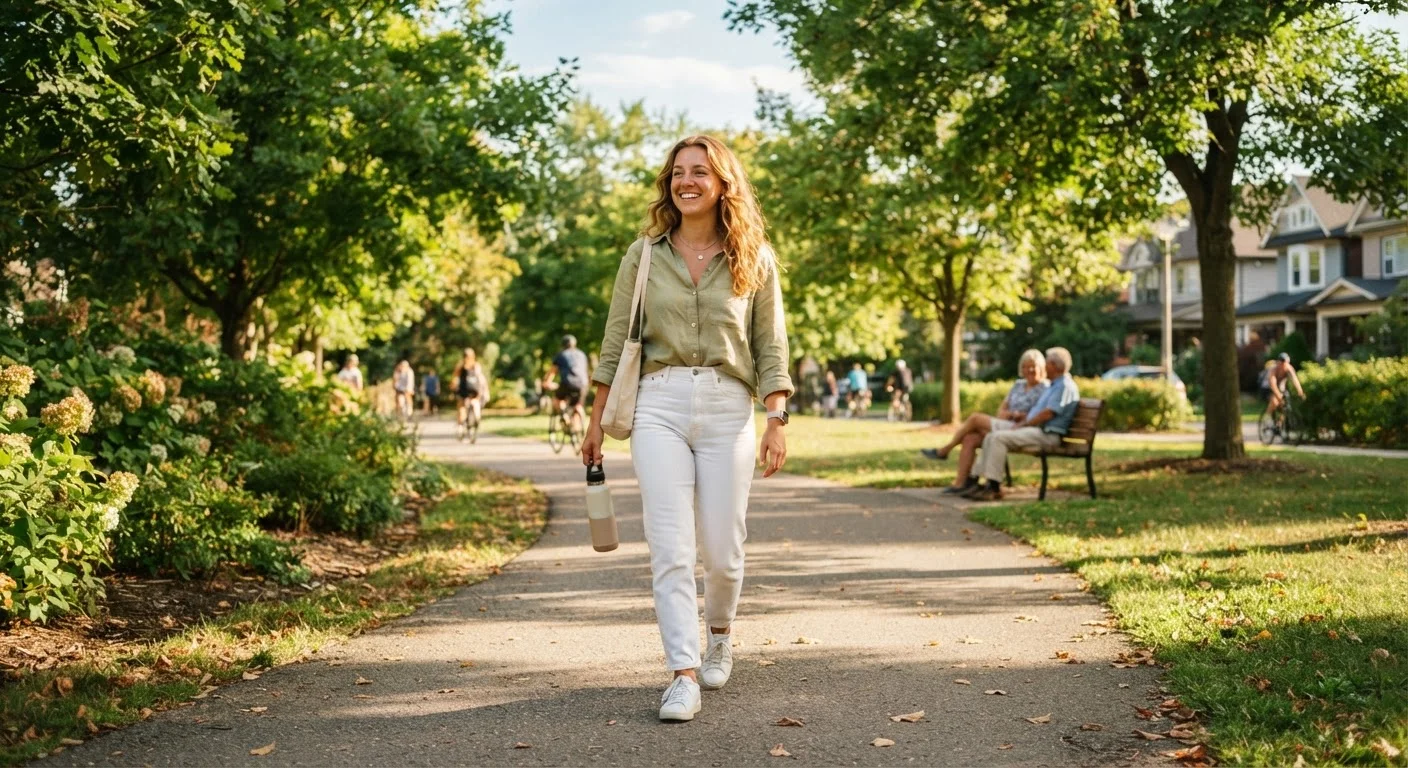
You don't have to like the gym
Gym culture isn't for everyone - and that's completely fine. Crowded weight floors, unfamiliar machines, and the pressure to perform can make the gym feel more like a barrier than a resource. If that sounds familiar, you're not alone, and you're not missing a character trait that everyone else has.
The good news is that movement doesn't require a gym, a trainer, or a fixed workout schedule. Research consistently shows that the activity people actually do - and keep doing - matters far more than the activity they plan but dread. Fitness myths that keep people on the couch often include the idea that exercise has to be structured or intense to count. It doesn't.
The following options aren't consolation prizes for people who can't hack the gym. They're legitimate, evidence-supported ways to keep your body moving that happen to feel nothing like a traditional workout.
Walk with a purpose
Walking is one of the most accessible forms of movement available, yet it's easy to dismiss as "not real exercise." That's a myth worth dropping. Regular brisk walking supports cardiovascular health, mood, and joint mobility without requiring any equipment, cost, or training.
The key is pairing a walk with something that makes it feel worthwhile beyond fitness - walking a dog, catching up with a friend on the phone, exploring a new neighborhood, or listening to a podcast you only allow yourself during walks. Purpose-driven walking tends to stick far better than walks logged purely as exercise.
Even shorter walks add up. Everyday movement counts more than most people realize - a few ten-minute walks spread across the day can be just as effective as one longer session.
Walking paired with something you enjoy is far more likely to become a lasting habit.
Try dancing - seriously
Dancing is a full-body workout disguised as fun. It raises your heart rate, improves balance and coordination, and engages your core and lower body - all while your brain is too busy enjoying the music to notice it's exercising.
You don't need classes or a partner. Kitchen dancing between tasks, following along with free online videos, or joining a community social dance event all count. The genre doesn't matter - whatever gets you moving works.
People who dance for enjoyment rather than fitness goals often find they move more overall, simply because they want to.
Dancing raises your heart rate and improves coordination without feeling like a workout at all.
Garden, clean, or build something
Physical labor around the home involves sustained movement, bending, lifting, carrying, and pushing - patterns that engage muscles and raise your heart rate meaningfully. Gardening, in particular, has been associated in research with improved mood, reduced stress, and moderate physical activity levels in adults of all ages.
Cleaning the house, rearranging furniture, or tackling a DIY project around the yard all involve similar effort. You end up with something tangible at the end, which adds its own sense of reward that a treadmill session rarely provides.
This kind of movement also has a low barrier to entry - most people already have tasks waiting that simply haven't been framed as "activity."
Gardening and home tasks involve real physical effort - and you end up with something to show for it.
Swim or try water-based movement
Water supports your body weight, which makes movement gentler on joints while still providing meaningful resistance. Swimming laps is one option, but so is water walking, aqua aerobics, or simply playing in a pool with kids or grandkids.
For people managing joint pain, recovering from injury, or carrying extra weight, water-based activity can be a genuine game-changer. Low-impact exercise like this is often dismissed as too easy, but the cardiovascular and muscular benefits are well-established.
Community pools, recreation centers, and YMCAs often offer open swim times at modest cost. It's worth checking what's accessible locally.
Water supports your joints while still delivering a genuinely effective workout - no gym floor required.
Explore cycling at your own pace
Cycling - outdoors or on a stationary bike at home - offers a low-impact cardio option that's easy to scale up or down. A casual ride through a neighborhood or along a trail can feel like leisure while still providing real cardiovascular benefit.
Ebikes have expanded cycling access for people who find hills or longer distances intimidating. The pedal-assist feature means you can choose how much effort to contribute, making cycling realistic for a wider range of fitness levels and ages.
Starting with short, enjoyable rides builds the habit gradually. Starting from zero doesn't mean staying there - consistency matters more than distance.
A casual bike ride through your neighborhood counts as meaningful movement - and it doesn't feel like exercise.
Use movement as a social activity
One of the fastest ways to make activity feel less like obligation is to connect it with people you enjoy. A regular weekend hike with friends, a recreational sports league, a community yoga class, or a walking group transforms movement from a solo chore into something you look forward to.
Social accountability also helps - when someone else is expecting you to show up, you're more likely to follow through. Building a sustainable fitness habit is substantially easier when enjoyment and connection are built into the activity itself.
You don't need to join a formal group. Even scheduling a regular walk with a neighbor creates the kind of low-pressure commitment that keeps people consistently active over time.
Tying movement to social connection is one of the most effective habit-building strategies available.
The bottom line: move in ways that feel worth it
There's no single right way to be physically active. The common thread across all of the options above is that they involve choosing movement you actually want to do - which turns out to be the most important factor in whether you keep doing it at all.
A note on health and individual needs
The ideas in this article are general health information, not medical advice. If you have a chronic condition, joint problems, cardiovascular concerns, or any health issue that affects your ability to move, please speak with a qualified healthcare professional before significantly increasing your activity level. They can help you identify which types of movement are safest and most appropriate for your specific situation.
If you're just getting started, starting from zero is a perfectly valid place to be. Pick one activity from this list that sounds even slightly appealing and try it this week - not because you have to, but to see how it feels. That's usually how lasting habits begin.
This article is for general informational purposes only and is not a substitute for professional medical advice. Always consult a qualified healthcare provider with questions about your health or before making changes to your physical activity routine.
The content on this site is for informational purposes only and is not a substitute for professional advice. Always consult a qualified professional for guidance specific to your situation.