

What Locals Know That Guidebooks Skip
Most travel overspending isn't caused by splurging - it's caused by defaulting to the tourist infrastructure that surrounds every major destination. Airports, central hotel strips, waterfront restaurants, and official attraction desks are all priced for visitors who don't know the alternatives. Locals sidestep that layer entirely, not out of some secret knowledge, but out of habit and proximity.
The good news: those habits are learnable with a little advance research. The list below covers the tactics that tend to make the biggest dent in daily spending - the kind of moves that add up to hundreds of dollars saved over a week-long trip. For context on how unplanned costs can quietly accumulate even before you leave home, see the hidden costs that quietly blow up a travel budget.
Check for free museum and attraction days
Many publicly funded museums, galleries, and historic sites offer free or reduced-price admission on specific days or evenings - often the first Sunday of the month, or one weekday evening per week. These schedules are rarely promoted through hotel concierges or travel booking platforms, but they're usually listed on the attraction's own website.
In some cities, a resident-style city card (purchased at a local tourism office rather than through a reseller) bundles multiple free admissions at a lower total price than buying tickets individually. It's worth verifying what's included before purchasing, since coverage varies significantly.
Free admission days exist in most cities - they're just not advertised where tourists look.
Buy a multi-day transit pass on day one
Per-ride fares on metros, trams, and buses are almost always more expensive in aggregate than a 3-day or 7-day unlimited pass. Locals buy passes because they ride frequently; visitors often pay per ride because they're uncertain how much they'll use public transit - and then use it a lot.
Most major transit systems sell passes at airport arrival stations, main train stations, or convenience stores near transit hubs. Checking the transit authority's website before arrival saves time and removes the guesswork about which pass covers which zones.
A multi-day transit pass almost always beats per-ride pricing for anyone staying more than two nights.
Eat lunch at sit-down restaurants, not dinner
Many restaurants - particularly in Europe and Latin America - offer a fixed lunch menu (sometimes called a menu del día, plat du jour, or prix-fixe lunch) that includes multiple courses at a price that can be 30-50% lower than the same restaurant's dinner service. The kitchen, the chef, and the ingredients are identical.
This is standard local practice, not a budget compromise. It also means saving dinner spending for street food, market stalls, or a simple self-catered meal - which aligns with how eating well abroad without spending like a tourist actually works in practice.
Lunch menus at sit-down restaurants can cost half the price of the same venue's dinner service.
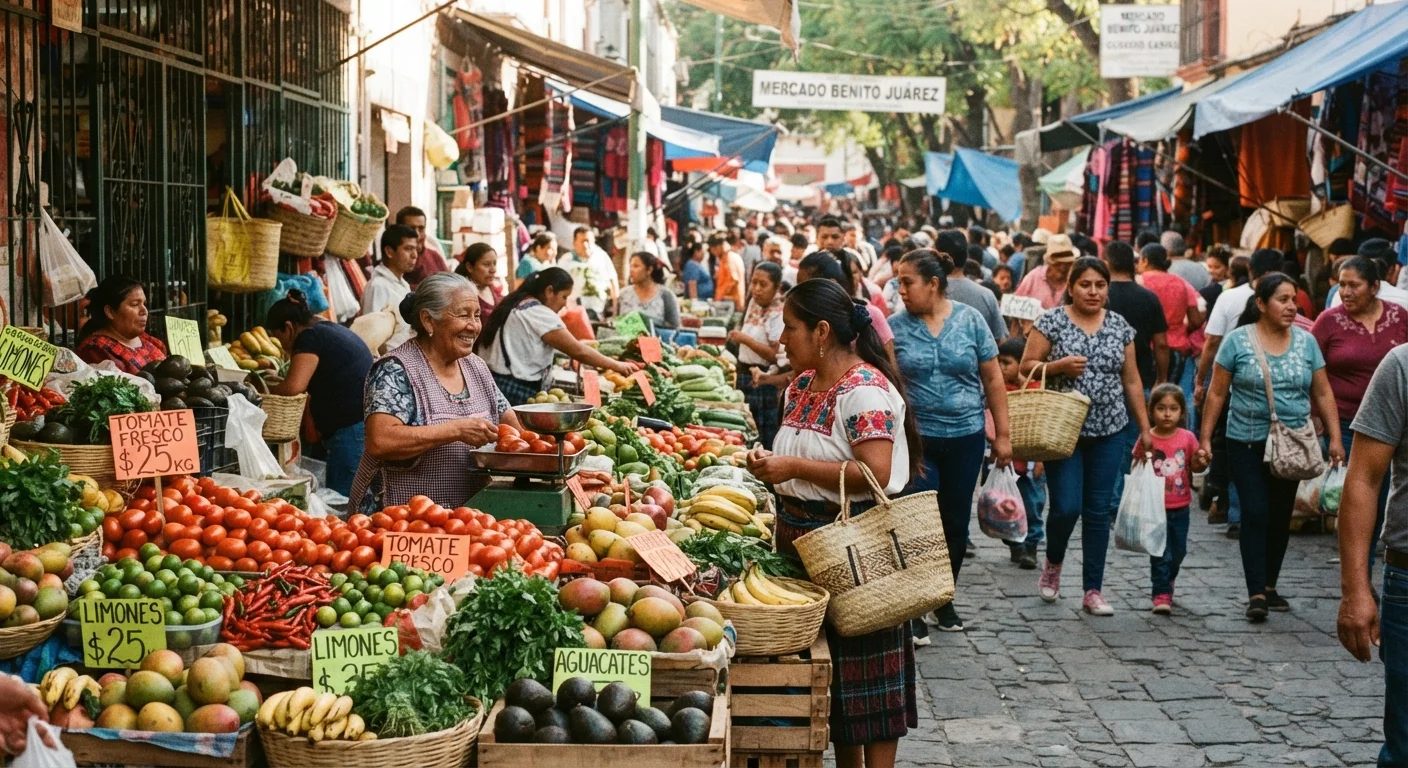
Shop and eat at neighbourhood markets
Tourist-facing food markets near major attractions are often curated and priced accordingly. The neighbourhood markets a few stops away on the metro - the ones serving residents doing their weekly grocery runs - operate on completely different economics. Produce, bread, cheese, olives, and prepared foods are sold at everyday prices.
A picnic assembled from a local market is frequently both cheaper and more interesting than a sit-down tourist-district meal. It also puts you in a neighbourhood context that most visitors never see.
Neighbourhood markets a few stops from the tourist centre operate on entirely different pricing.
Stay one neighbourhood away from the centre
Accommodation in the immediate vicinity of a city's top attractions commands a significant premium. A 15-minute metro or tram ride from the tourist core often puts you in a quieter residential neighbourhood where nightly rates can be noticeably lower - sometimes by $40-$80 per night depending on the city and season - without meaningfully increasing transit time.
The key is confirming that the neighbourhood has direct, reliable transit links to the areas you plan to visit. Once that's established, the trade-off is almost always worth it. Keeping that accommodation saving consistent across a trip is the kind of move that prevents the budget blowouts covered in overlooked budget categories that quietly derail plans.
Staying one neighbourhood from the tourist centre often saves $40-$80 per night with little practical downside.
Use local-facing apps and city-resident tools
Ride-share, food delivery, and local discount apps that residents use daily are often available to visitors too - they just require a foreign phone number or local account setup that most tourists skip. Similarly, some cities publish resident-facing discount programs or cultural passes that are technically open to anyone but never appear in tourist search results.
Spending 20-30 minutes before a trip searching the destination city's name alongside terms like "city pass," "resident discount," or "cultural card" - in the local language if possible - surfaces options that travel booking platforms don't index.
Local-facing apps and city passes are often available to visitors - they just require a bit of advance research.
Putting It Together
None of these strategies require sacrifice - they just require a small shift in where you look. A transit pass, a lunchtime sit-down meal, a Sunday market visit, and a free museum afternoon can replace a significant chunk of the tourist-priced version of the same day. Used together over a week, the savings are meaningful.
Start Your Research in the Local Language
When researching discounts and passes for a destination, try searching key terms in the local language rather than English. Tourist-facing results dominate English-language search, while resident-oriented programs often only appear in local-language pages. A quick machine translation of a city's official tourism or transit website can surface options that English searches miss entirely.
If you want a framework for projecting those savings before you go, building a daily travel budget that you'll actually stick to walks through how to estimate realistic daily costs by destination. And if you're questioning some of the received wisdom about when and how to book, trip planning myths that keep travellers overspending is worth a read before your next trip.
The content on this site is for informational purposes only and is not a substitute for professional advice. Always consult a qualified professional for guidance specific to your situation.