

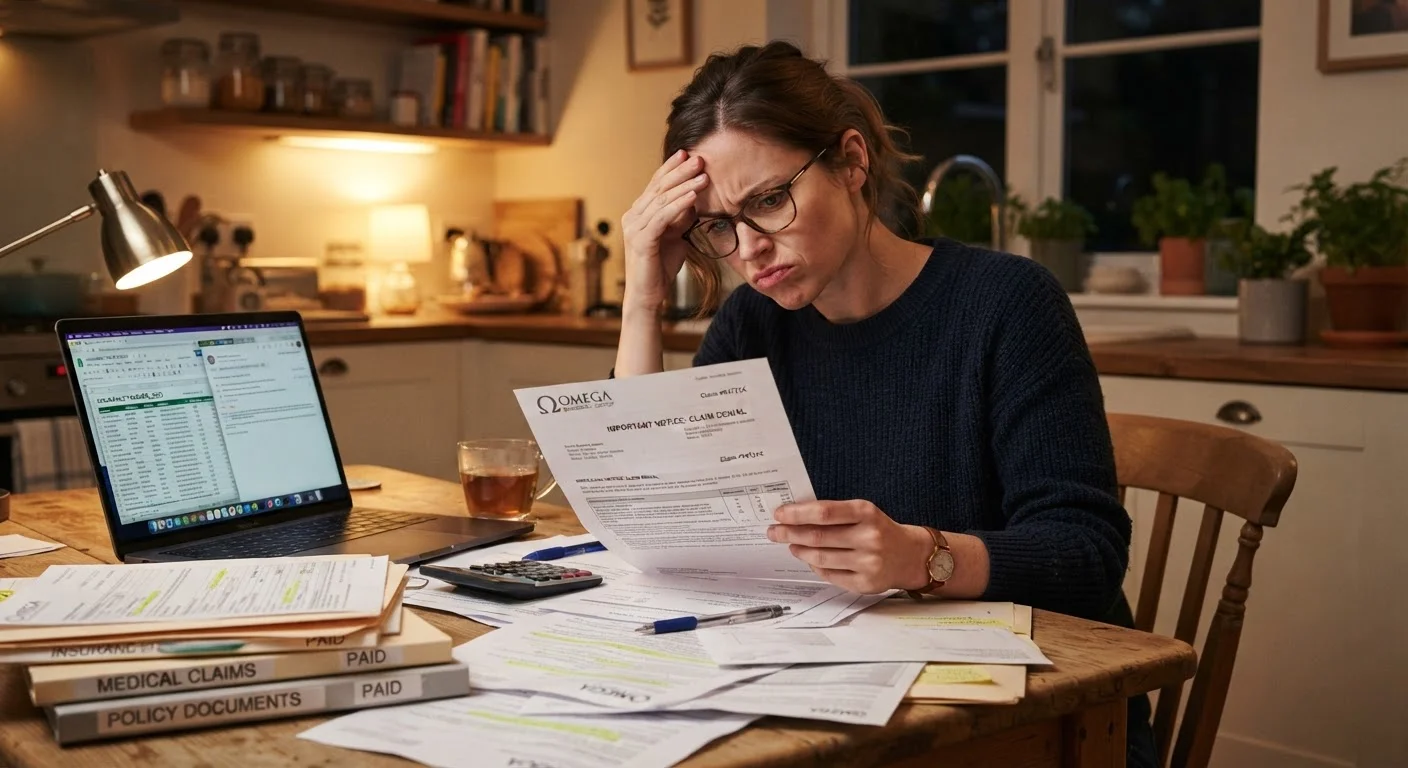
A Denial Isn't Necessarily the Final Word
Getting a claim denied is stressful — but it's more common than most people realize, and it doesn't always mean the insurer was right. Insurers are required to explain every denial in writing. If you haven't received a clear reason, ask for one immediately. That explanation is your starting point for deciding whether and how to push back.
Understanding why claims get denied — and which mistakes make denial more likely — puts you in a much stronger position. This article is general educational information, not legal or insurance advice. For decisions specific to your policy or situation, consult a licensed insurance professional or your state's insurance department.
Before diving into the mistakes, it helps to understand the process. See our step-by-step overview of what filing a claim actually looks like so you know what to expect at each stage.
Common Mistakes That Lead to Denied Claims
Most denials trace back to a handful of avoidable errors. Recognizing these patterns — and knowing how to sidestep them — can make a real difference when it counts most.
Missing the filing deadline.
Why it happens: Policyholders often don't realize that most policies set strict windows — sometimes as short as 30 days — for reporting a loss or submitting a claim. Life gets busy after a stressful event, and the deadline slips.
Submitting incomplete or inaccurate documentation.
Why it happens: Insurers require specific forms, receipts, photos, or medical records to process a claim. Policyholders often submit what seems sufficient without realizing what's missing.
Assuming the loss is covered without verifying the policy first.
Why it happens: Insurance policies contain exclusions, sublimits, and conditions that are easy to overlook. Many policyholders purchase coverage and never re-read it until they need it.
Making repairs or discarding damaged property before an adjuster can inspect it.
Why it happens: It's natural to want to clean up or prevent further damage immediately. But insurers need to document the loss in its original state.
Failing to appeal a denial or missing the appeal deadline.
Why it happens: A denial letter can feel final and discouraging. Many policyholders don't realize appeals are a standard, built-in right — or they wait too long and the window closes.
Policy language is a frequent source of confusion. Our guide on reading an insurance policy without getting lost explains which sections to focus on and what red flags to look for before you need to file.
What to Do After a Denial
Watch Your Appeal Deadline Closely
Appeal windows are not flexible. Health insurance appeals under federal rules typically must be filed within 180 days of receiving a denial, but other policy types may have much shorter windows — sometimes 30 to 60 days. Missing the deadline can permanently forfeit your right to challenge the decision. Read the denial letter the day it arrives and mark the deadline on your calendar immediately.
Once you understand why your claim was denied, you have several general options:
- File an internal appeal. Every insurer must have a formal appeals process. Follow the instructions in your denial letter exactly, and submit any missing documentation or corrections the denial identified. Keep copies of everything.
- Request an external review. If your internal appeal is unsuccessful, most states allow policyholders to request an independent external review — at no cost to you. An external reviewer's decision is typically binding on the insurer.
- Contact your state insurance commissioner. State insurance departments handle consumer complaints and can sometimes intervene when a denial appears improper. Find your state's department at the National Association of Insurance Commissioners (NAIC) website.
- Consult a professional. For complex or high-value claims, a licensed public adjuster or insurance attorney can review your case and advise on next steps.
Don't Assume a Second Denial Ends It
If your internal appeal is denied, that is still not necessarily the last word. Most states provide access to an independent external review process that costs nothing for the policyholder. External reviewers are neutral third parties, and their decisions are typically binding on the insurer. Check with your state insurance department for details on how to request one.
Also worth reviewing: coverage gaps most people don't notice until it's too late — because sometimes a denial reveals a gap worth addressing in your next policy period.
This article is for general informational purposes only and does not constitute insurance, legal, or financial advice. Coverage, claims processes, and appeal rights vary by policy, insurer, and state. Always refer to your actual policy documents and consult a licensed professional for guidance specific to your situation.
The content on this site is for informational purposes only and is not a substitute for professional advice. Always consult a qualified professional for guidance specific to your situation.