

The Premium: Your Cost to Stay Covered
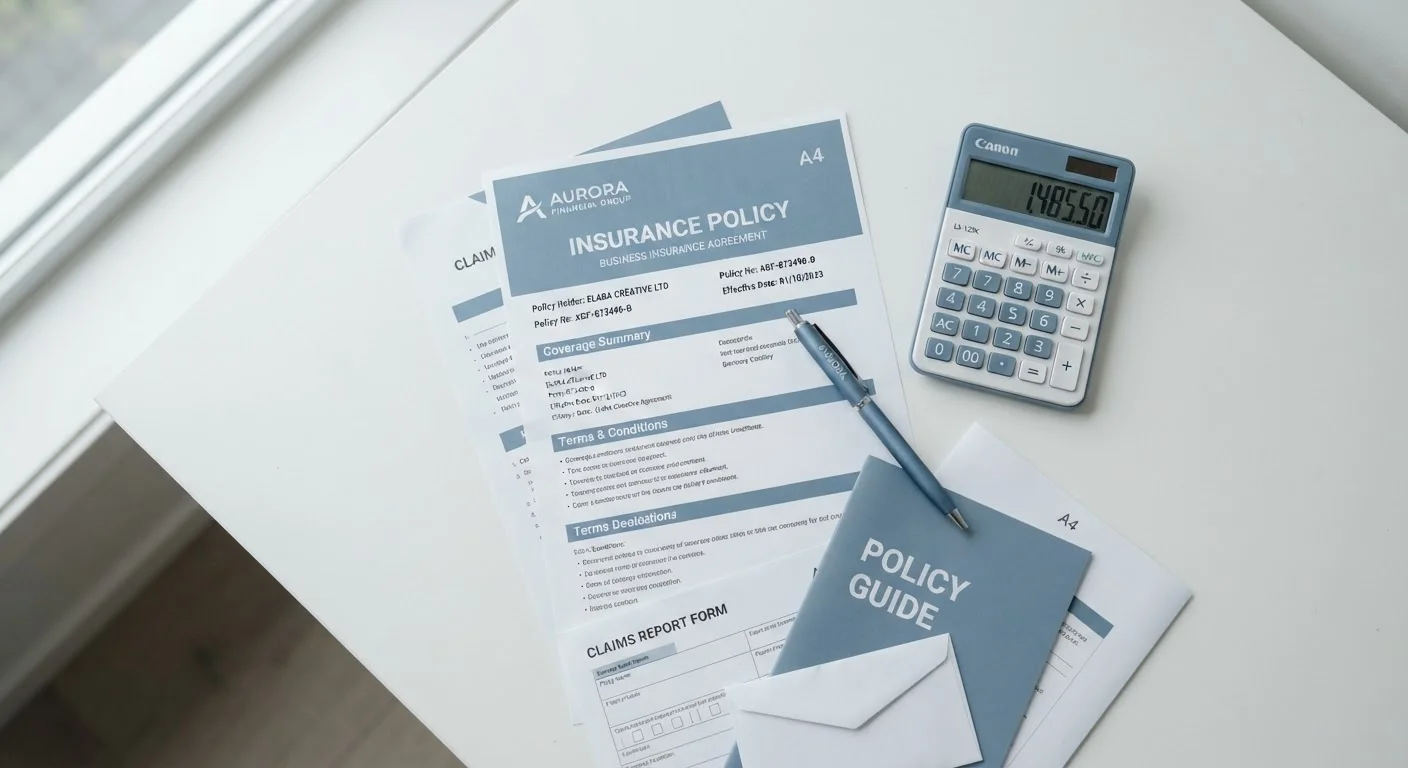
A premium is the amount you pay your insurer to keep your policy active. Think of it as a subscription fee for financial protection. Depending on the policy, you might pay it monthly, quarterly, or annually.
Crucially, premiums are owed regardless of whether anything goes wrong. You pay them in exchange for the insurer's promise to cover certain losses if and when they happen. If you stop paying, your coverage lapses - and any future claim will likely be denied.
Several factors influence what your premium will be. Insurers look at the type of coverage, the amount of coverage, your personal risk profile, and sometimes your claims history. For a deeper look at how insurers arrive at a number, see how insurers calculate your premium.
$1,000-$2,000
Typical home insurance deductible range in the U.S.
According to the Insurance Information Institute, most standard homeowners policies carry deductibles in this range, though higher options are available to reduce premiums.
~30%
Average premium reduction for doubling your auto deductible
The Insurance Information Institute notes that raising a car insurance deductible from $200 to $500 can reduce collision and comprehensive premiums by roughly 15-30%, depending on the insurer.
The Deductible: What You Pay When a Claim Happens
A deductible is the portion of a covered loss you pay out of pocket before your insurer pays the rest. If your car is damaged in an accident and the repair bill is $3,000, and your deductible is $500, you pay $500 and your insurer covers the remaining $2,500.
Deductibles reset, typically at the start of each policy year or per claim, depending on the policy type. Health insurance deductibles, for example, usually reset annually. Auto and home insurance deductibles are often applied per claim.
The key trade-off: choosing a higher deductible usually lowers your premium, but it means accepting greater out-of-pocket exposure when something goes wrong. A lower deductible reduces your financial risk per claim but raises your regular premium costs. Neither choice is universally better - it depends on your financial cushion and how often you realistically expect to file claims.
Excess: The Same Idea, Different Name
If you've shopped for travel insurance or encountered policies written for international markets, you've likely seen the word excess. In practice, it works the same way as a deductible - it's the amount you contribute toward a covered claim before your insurer pays.
For example, a travel policy might state: "Claims are subject to a $100 excess per incident." That means the first $100 of any covered claim comes out of your pocket. Your insurer handles costs above that threshold, up to the policy limit.
In the U.S., 'excess' shows up most often in specialty coverage - travel, marine, or some umbrella policies. If you see the term, treat it the same way you'd treat a deductible: a cost you'll bear at claim time. For more on what travel policies specifically cover, see travel insurance explained.
How These Three Terms Work Together
Here's a straightforward way to think about all three at once:
- Premium - what you pay to have the policy (ongoing, no claim required)
- Deductible / Excess - what you pay when you use the policy (at claim time)
Together, they define the actual cost of your insurance. A policy with a low premium might carry a high deductible, meaning your real cost could be substantial if something goes wrong. A policy with a high premium and low deductible offers more predictable claim-time costs but a heavier monthly burden.
When comparing policies, look at both numbers together rather than focusing on just the premium. A $50/month difference in premium may be offset quickly if one policy has a $2,000 higher deductible.
For a broader grounding in how coverage works, insurance explained in plain language is a helpful starting point. And if you want a quick-reference guide to other terms you'll see in a policy document, the insurance terms glossary covers the most common ones clearly.
This article is for general informational purposes only and does not constitute personalised insurance, financial, or legal advice. Coverage terms, premiums, and deductibles vary by provider and individual circumstances. Consult a licensed insurance agent or adviser for guidance specific to your situation.
Frequently Asked Questions
A premium is a recurring payment - monthly, quarterly, or annually - that keeps your policy in force. A deductible is a one-time cost per claim that you pay before your insurer steps in. You pay premiums whether or not you ever file a claim; you pay the deductible only when a covered loss occurs.
Functionally, yes. Both terms describe the portion of a covered claim you pay out of pocket before your insurer covers the balance. 'Deductible' is the standard U.S. term; 'excess' appears more often in international, travel, or specialty policies. Always check your policy documents to confirm the exact figure and how it applies.
Generally, yes - insurers charge lower premiums when you agree to absorb more of the initial cost of a claim. However, this trade-off only benefits you if you can comfortably afford the higher deductible amount if a loss occurs. It's a balance between monthly savings and financial readiness for an unexpected expense.
In most U.S. policies, the terms are used interchangeably rather than stacked. However, some specialty or international policies may include multiple cost-sharing layers. Read your declarations page and policy documents carefully, and ask your insurer or a licensed agent to clarify if you're unsure.
If the cost of a covered loss is lower than your deductible, your insurer pays nothing - you cover the full amount yourself. In this situation, it may not even make sense to file a claim, since doing so can affect your claims history and potentially your future premiums.
Both figures appear on your policy's declarations page - typically the first page of any insurance policy document. Your deductible may vary by type of claim (for example, some home policies have a separate deductible for wind or hail damage), so review the full declarations section carefully.
The content on this site is for informational purposes only and is not a substitute for professional advice. Always consult a qualified professional for guidance specific to your situation.