

Before You File: Know What You're Working With
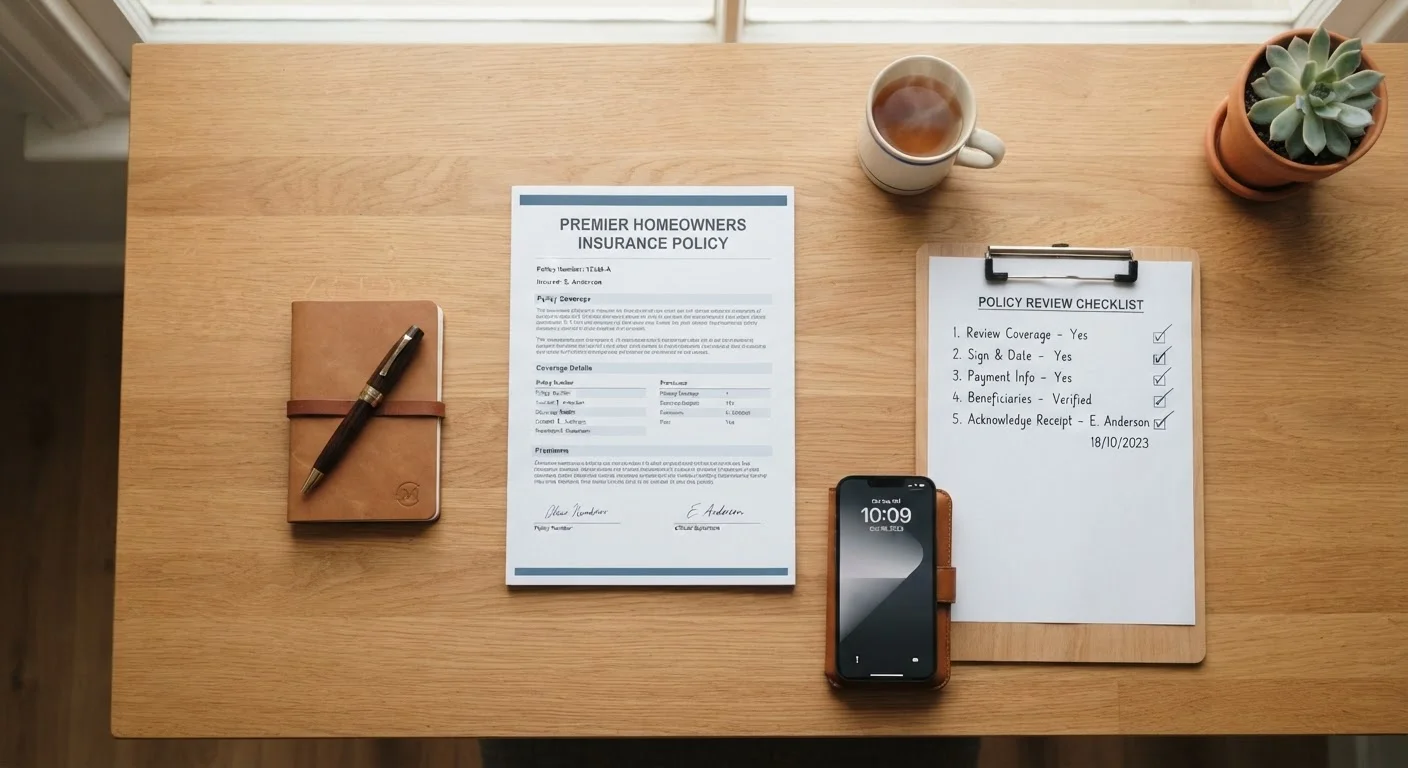
Filing a claim starts well before you pick up the phone. The first thing to do after any incident - a fender bender, a burst pipe, a medical procedure - is to locate your policy documents and read the relevant coverage section. This tells you whether the loss is actually covered, what your deductible is, and whether any exclusions apply.
If you're unclear on terms like deductible, coverage limit, or exclusion, our plain-language insurance explainer breaks them down clearly. It also helps to know which type of policy you hold - home, auto, health, or other - since the claims process varies by coverage. For a refresher on what each type covers, see the main types of insurance.
One practical habit: keep a dedicated folder - physical or digital - with your policy declarations page, insurer contact details, and photos or receipts of major possessions. Having this ready shortens the claims process considerably.
What you will need
The Claims Process, Step by Step
While processes differ by insurer and policy type, most claims follow the same general sequence. Work through each step carefully - gaps in documentation or missed deadlines are among the most common reasons claims are delayed or underpaid. For a fuller look at the kinds of oversights that cause problems, see insurance mistakes that can affect a claim.
Document the incident immediately
As soon as it is safe, photograph or video any damage from multiple angles. Write down a factual account of what happened - date, time, location, weather conditions, and the sequence of events. If other people are involved (an auto accident, for example), collect their names, contact information, and insurance details.
Report to relevant authorities if required
For theft, vandalism, or certain accidents, filing a police report is often a policy requirement. Even when it isn't required, having an official report number strengthens your claim. Check your policy or call your insurer before deciding whether this step applies to your situation.
Notify your insurer promptly
Contact your insurance company as soon as possible after the incident. Most policies require notification within a specific window - sometimes 24 to 72 hours, sometimes longer. Late reporting is a common reason insurers complicate or deny claims. Use the claims phone number or online portal listed in your policy documents.
Complete and submit the claims form
Your insurer will provide a claims form, either online or by mail. Fill it out accurately and completely. Include all relevant supporting documents: photos, receipts, estimates, police report numbers, and any medical records if applicable. Incomplete submissions are a leading cause of processing delays.
Cooperate with the adjuster's assessment
The insurer will assign an adjuster to evaluate your claim. Be responsive to their requests and provide any additional information they need promptly. You are allowed to ask questions about the process and to request a written explanation of any finding or decision.
Review the settlement offer carefully
Once the adjuster completes their review, the insurer will issue a settlement offer. Compare this figure against your own documentation - repair estimates, receipts, and the coverage limits in your policy. If the offer seems low or incorrect, you have the right to dispute it through the insurer's formal appeals process.
After You Submit: What to Expect
Once your claim is filed, the insurer will assign a claims adjuster - either a company employee or an independent contractor - whose job is to assess the validity and value of your loss. They may inspect the damage in person, request additional documentation, or contact third parties such as repair shops or medical providers.
The adjuster's findings form the basis of the insurer's settlement offer. This is a starting point, not necessarily a final word. If you believe the offer undervalues your loss, you can provide additional evidence, request a written explanation of how the figure was calculated, or formally appeal through the insurer's dispute process.
If a dispute cannot be resolved directly, most states have an insurance commissioner's office that handles consumer complaints. Mediation or appraisal processes are also available under many policy terms.
Keep Records After Settlement Too
Once your claim is settled, retain all related documents - correspondence, photos, receipts, and the settlement letter - for at least several years. If a related issue surfaces later or a dispute arises, having a complete paper trail is valuable. Digital backups in cloud storage are a practical way to ensure these records don't get lost.
Before your next policy renewal, it's worth reviewing whether your current coverage still fits your situation. Our guide on building a personal insurance plan can help you think through that process.
This article is for general informational purposes only and does not constitute personalised insurance, financial, or legal advice. Coverage, terms, and claims processes vary by insurer, policy, and location. Always read your actual policy documents and consult a licensed insurance professional for guidance specific to your situation.
The content on this site is for informational purposes only and is not a substitute for professional advice. Always consult a qualified professional for guidance specific to your situation.