

What Happens to Your Resume the Moment You Hit Submit
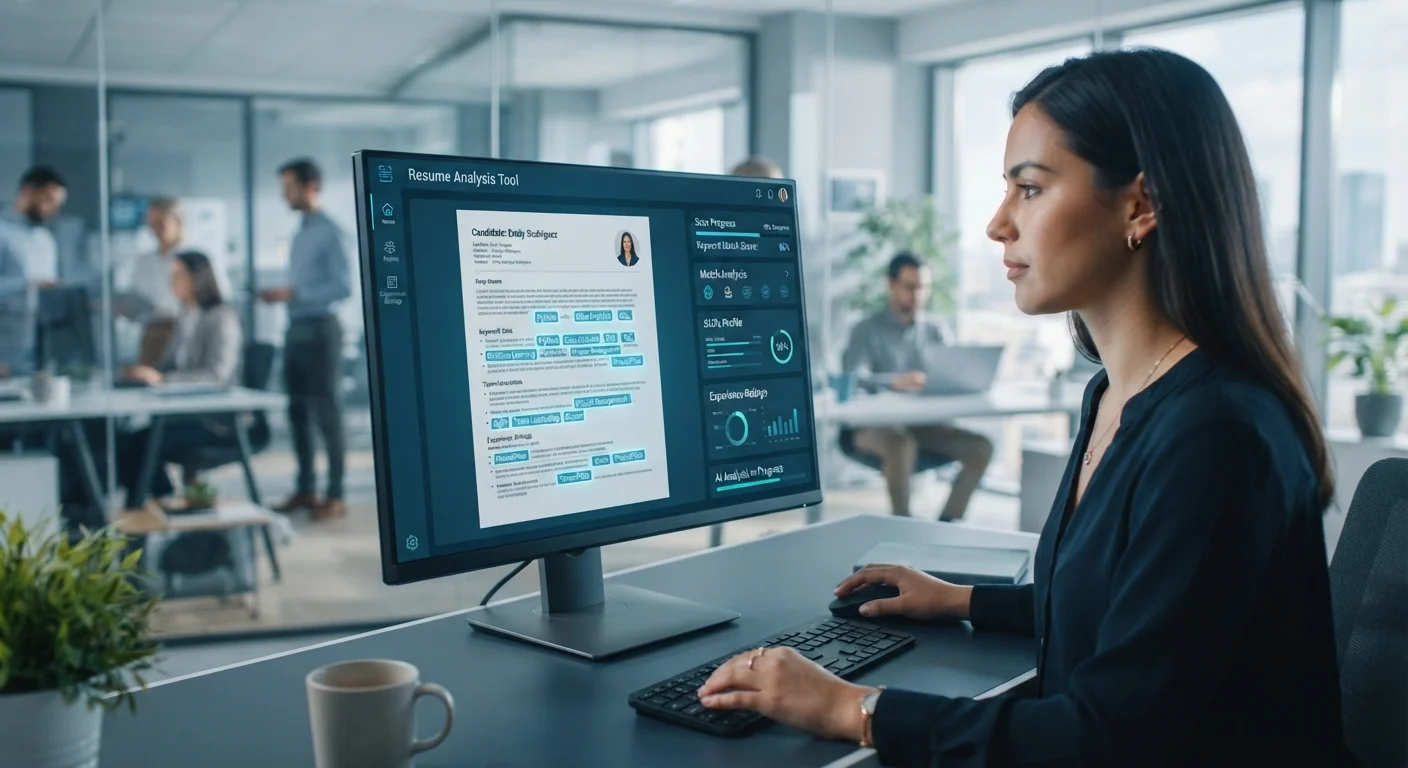
Most job seekers picture a recruiter opening each application and reading it thoughtfully. In reality, when you apply online, your resume typically flows into an ATS first. The software processes your document, extracts key data, and evaluates how well your background matches the role — all before a person is involved.
If your resume scores well against the job requirements, it advances to the recruiter's review queue. If it scores poorly — because of missing keywords, unreadable formatting, or both — it may be ranked so low that no one ever opens it.
This matters enormously. According to surveys of HR professionals, the overwhelming majority of large employers rely on some form of ATS to manage applications. Understanding the system isn't about gaming it; it's about making sure a genuine, qualified candidacy isn't accidentally filtered out.
75%
Resumes rejected before human review
Industry estimates suggest roughly three in four resumes are filtered out by ATS before a recruiter sees them, though exact figures vary by employer and platform.
90%+
Fortune 500 companies using ATS
Research from recruiting technology analysts consistently finds that the vast majority of large U.S. employers use ATS software to handle application volume.
How ATS Software Actually Reads a Resume
An ATS works by parsing your resume — breaking it into structured fields like contact information, job titles, employers, dates, and skills. It then compares those fields against the requirements in the job posting.
Parsing depends heavily on your resume's structure. The software looks for predictable section headings. If your resume uses a creative label like "My Story" instead of "Work Experience," the system may not know where to file that information. Content misread by the parser can simply be dropped, making you appear less qualified than you are.
Common formatting choices that confuse ATS parsers include:
- Tables and multi-column layouts
- Text inside graphic boxes or shapes
- Information placed in headers or footers
- Non-standard fonts or heavy use of symbols
- Images and logos embedded in the document
A plain, single-column resume with clear section labels is the format most likely to survive parsing intact. See our guide to tailoring your resume for a practical approach to customizing each application without rebuilding from zero.
Keywords: The Factor You Can Control Most
Keyword matching is the core of how most ATS platforms score resumes. The system compares the language in your resume against the language in the job description. The closer the match, the higher your score.
The practical implication: read each job posting carefully and mirror its exact wording where it accurately describes your experience. If the posting says "project management" and your resume says "project coordination," the system may not treat those as equivalent, even if you would.
Use the Job Posting as Your Keyword Guide
Copy the job description into a document and highlight terms that appear more than once — those repeated words are likely weighted heavily by the ATS. Then check your resume against that list and incorporate the matching language naturally. This simple exercise takes about ten minutes and can meaningfully improve your screening score.
Focus your keyword effort on three areas:
- Job title: If your previous title differs from the one in the posting but the work was equivalent, consider using the industry-standard term alongside your actual title.
- Required skills: List tools, technologies, and competencies using the exact terms the employer uses.
- Responsibilities: Echo the action verbs and phrases from the posting in your bullet points where they genuinely apply to your experience.
Tailoring your resume this way also improves its impact on human readers — so it's a double benefit. This connects directly to why volume-based job searching often backfires: sending one well-matched resume will almost always outperform sending fifty generic ones.
Putting It Into Practice Before You Apply
Armed with a basic understanding of ATS, a few habits can meaningfully improve your results:
- Customize every application. A resume tailored to each posting will outperform a generic one every time, both with software and with people.
- Use a simple template. Choose a clean, one-column format with standard headings. Substance always outperforms style in digital screening.
- Check your file format. Submit a .docx or a plain-text PDF unless the employer specifies otherwise.
- Proofread for spelling. Keyword matching is exact — a misspelled skill name won't register as a match.
Before submitting any application, run through a quick self-check. Our pre-submission checklist covers the details most applicants overlook. And if you're building your strategy from the ground up, the end-to-end job search roadmap walks you through every stage of the process.
Frequently Asked Questions
Not every employer does, but the practice is widespread. Most medium and large companies, as well as many staffing agencies, rely on ATS software to manage high application volumes. Smaller businesses may review applications manually, but it's safer to assume ATS is involved when applying through an online portal.
ATS-friendly resumes use standard section headings (like "Work Experience" and "Education"), simple fonts, and plain text formatting. They also include relevant keywords drawn directly from the job posting. Avoid tables, text boxes, headers and footers, and graphics, which many ATS platforms cannot parse correctly.
Yes. A resume can be genuinely strong but still fail ATS screening if it lacks the specific keywords the system is looking for, or if formatting prevents the software from reading it correctly. This is why tailoring each application matters so much.
No — keyword stuffing can actually hurt you. If a human recruiter eventually reads your resume, a keyword-heavy, unreadable document will make a poor impression. Focus on naturally incorporating relevant terms from the job description rather than forcing in as many as possible.
Many ATS platforms do generate a match score or rank applicants based on how closely their resume aligns with the job description. Recruiters often review candidates starting from the top of this ranked list, which means a lower score reduces your chances of being seen.
A standard .docx or plain-text PDF file is generally the safest choice. Some ATS platforms struggle to parse PDFs created from design tools. When in doubt, check the job posting for instructions, and avoid submitting image-based files like JPEGs or PNGs.
The content on this site is for informational purposes only and is not a substitute for professional advice. Always consult a qualified professional for guidance specific to your situation.