

Summary

22 items · 20–40 minutes

Why a Checklist Beats Pure Enthusiasm

Starting a new exercise routine on a wave of motivation feels great — until the second week hits and reality sets in. Most people who abandon new routines do so not because they're lazy, but because they skipped the groundwork. The patterns behind early dropout are predictable, which means they're also preventable.

This checklist is designed for beginners and returning exercisers who want a sustainable start — not just an intense first week followed by soreness and regret. Work through each item before your first session, and you'll be building on a much more solid foundation.

This article is general health information, not medical advice. Always consult a qualified healthcare professional before starting a new exercise program, especially if you have any health conditions or concerns.

Health and Safety Groundwork

Before anything else, make sure you're starting safely. This isn't about fear — it's about having the right information so you can exercise with confidence.

Health Considerations

Schedule a check-in with your doctor or primary care provider if you've been inactive for a year or more, are over 40, or have any chronic health conditions such as heart disease, diabetes, or joint problems. Must
Disclose any medications you're currently taking, since some affect heart rate, hydration, or exercise tolerance — your provider can flag any relevant interactions. Must
Note any past injuries — especially to joints, the back, or tendons — so you can choose activities and intensity levels that won't aggravate them. Must
If you're pregnant, postpartum, or managing a chronic condition, seek individualized guidance from a healthcare professional rather than following general beginner advice. Must
Learn to recognize warning signs that mean you should stop and seek care: chest pain or tightness, dizziness, shortness of breath disproportionate to your effort, or sharp joint pain. Must

Choosing Your Activity

Pick an activity that genuinely appeals to you — walking, swimming, cycling, group fitness, yoga — rather than one you feel you "should" do. Must
Consider your schedule and environment: if you hate cold weather or don't own a car, an outdoor winter running plan probably isn't your best fit. Should
Identify a backup option for days when your primary activity isn't possible — a short home workout, a walk, or a stretching session keeps momentum going. Should
Decide whether you prefer solo exercise, a workout buddy, or a class setting — social context has a real effect on adherence for many people. Nice to have

Gear and Environment

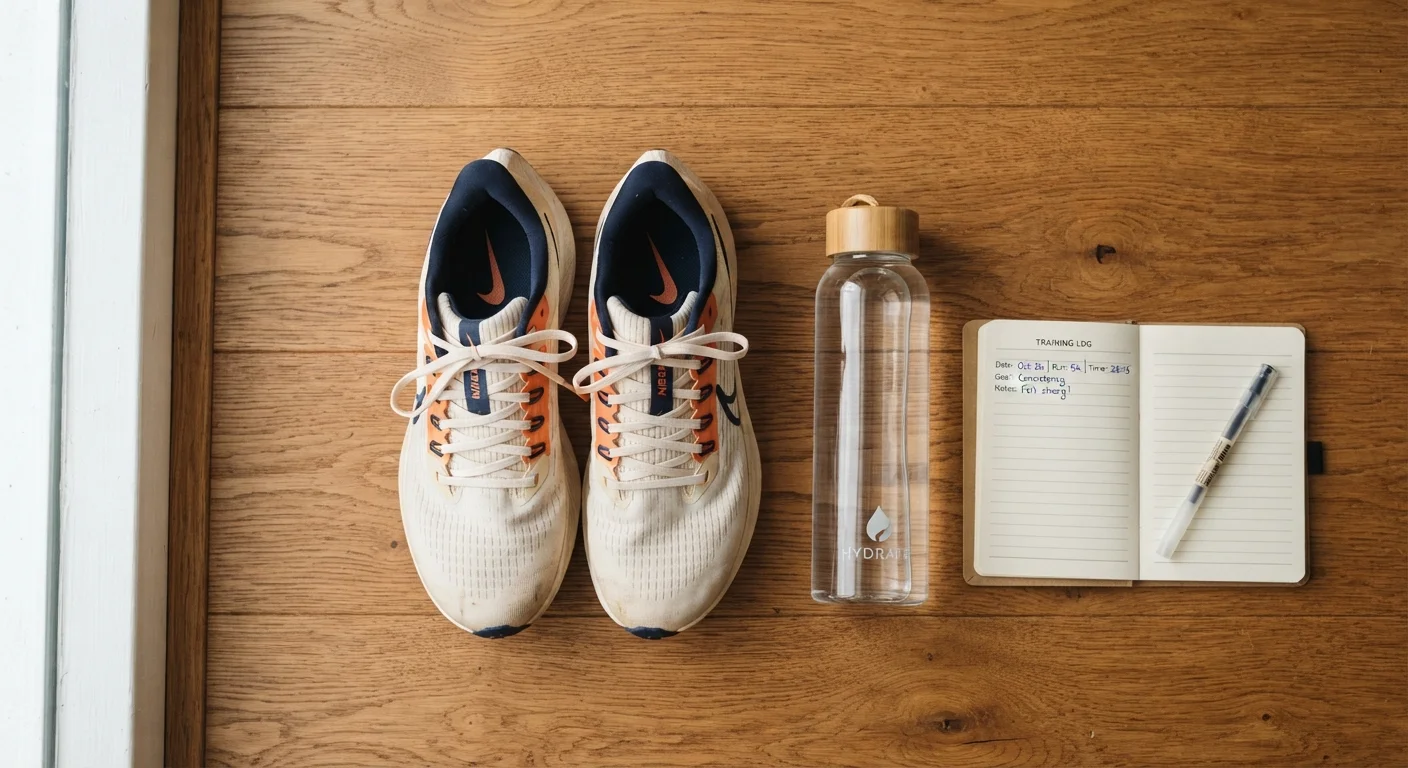
Get footwear appropriate for your chosen activity — general athletic shoes work for most beginners, but running shoes, cross-trainers, and court shoes are designed for different movement patterns. Must
Wear comfortable, breathable clothing that allows a full range of motion and is appropriate for the weather or setting. Must
Set up a water bottle and confirm you have easy access to hydration during and after your sessions. Must
Identify a safe, practical space for your workouts — whether that's a park route, a room with enough floor space, or a community facility — before your first session. Should
Download any app or cue up any audio you plan to use ahead of time so tech friction doesn't derail your first few sessions. Nice to have

Planning and Scheduling

Block specific days and times for exercise in your calendar rather than relying on finding spare moments — treat them like appointments. Must
Start with two to three sessions per week and allow at least one rest day between sessions to let your body recover. Must
Write down a simple first-month plan with intended activities and durations, keeping initial sessions shorter than you think you need. Should
Choose a way to track your activity — a notebook, a phone app, or a simple calendar X — so you can see your consistency over time. Should
Identify one specific, measurable short-term goal for the first four weeks that is about showing up, not about physical transformation. Should
Plan a small non-food reward for reaching your first-month milestone — acknowledging progress helps reinforce the habit. Nice to have

Practical Setup: Gear, Space, and Scheduling

The logistics of a new routine matter more than most people expect. When exercise is easy to start — because your shoes are by the door and the time is already blocked — you eliminate a lot of the friction that causes people to skip sessions.

Required

Supportive athletic footwear

Proper shoes for your chosen activity reduce injury risk and improve comfort during every session.

Required

Reusable water bottle

Staying hydrated before, during, and after exercise supports performance and recovery.

Required

Activity tracking notebook or app

Recording completed sessions helps you see patterns, stay accountable, and celebrate consistency.

Optional

Fitness timer or interval app

Useful for structuring beginner workouts with built-in rest periods — especially helpful for walking intervals or bodyweight circuits.

Optional

Resistance bands or a yoga mat

Low-cost, versatile tools that expand your home workout options without requiring much space or investment.

Think of this section as removing future excuses before they form. A little setup now pays dividends in consistency later. If you're in a season of life where money is tight, treat this the same way you'd approach any other budget decision — thoughtfully, without overcommitting upfront.

Mindset and Expectation Setting

The mental side of starting an exercise routine is just as real as the physical side. Unrealistic expectations are one of the top reasons beginners quit — not lack of willpower.

Avoid Starting Too Hard, Too Fast

One of the most common beginner mistakes is going all-out in the first week, leading to soreness that makes the second week miserable — or an injury that sidelines the whole effort. A good starting intensity is one where you can hold a conversation but are working hard enough to notice your breathing. Building up over weeks, not days, is what leads to lasting results.

Setting honest, process-based goals ("I'll walk for 20 minutes three times this week") tends to work better than outcome-based goals ("I'll lose 10 pounds in a month"). Track what you do, not just what you hope to see.

Share

Health Made Simple Editorial Team · Contributor

Health Made Simple Editorial Team is the collective byline for our editorial team and contributor network. Articles published under this byline or an editorial pen name are researched, written, and reviewed according to our editorial standards for clarity, consistency, and independence before publication.

The content on this site is for informational purposes only and is not a substitute for professional advice. Always consult a qualified professional for guidance specific to your situation.